
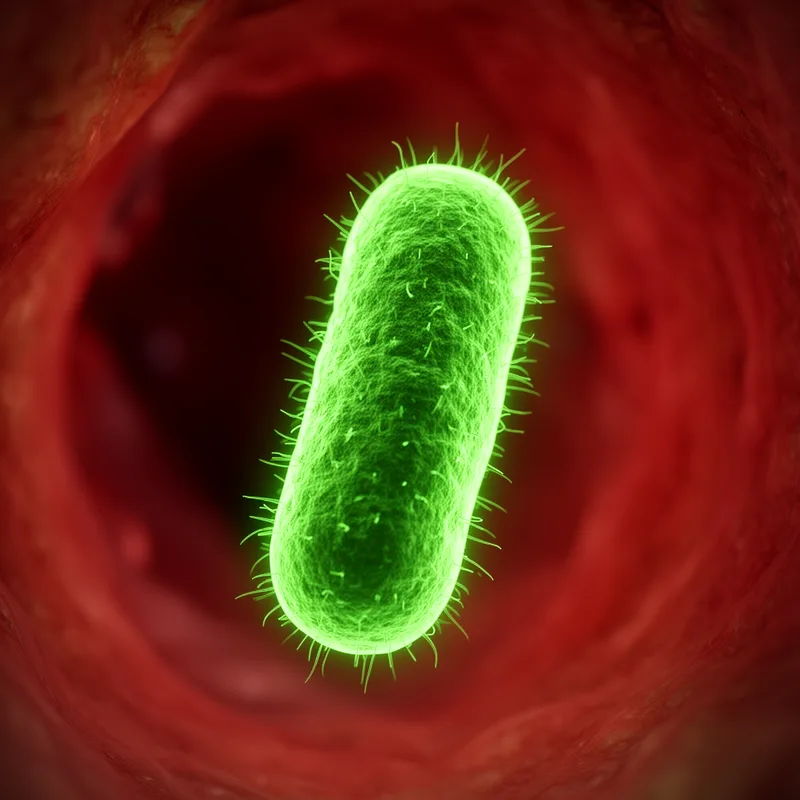
microbe
 62
5.1
62
5.1

- noun
- /ˈmaɪkroʊb/
- When urea is released into the gut, however, microbes consume it and convert it back into useful nitrogen.
- gut microbes
- soil microbes
- beneficial microbes
Loading YouTube…
Watch on YouTubeSo I think we need to stop the war on microbes, stop sanitizing so much.
- So I think we need to stop the war on microbes, stop sanitizing so much.
- So we acquire our microbes from a variety of sources.
- The soil dwelling microbes that make up a plants microbiome.
- And the main problem is their gut microbes are really crying out for food.
- And the these microbes, they rely on us and we rely on them.
- And we found microbes can survive for three years in the experiments.
- When the water breaks, microbes enter and then this process really begins.
- So fibre is the primary fuel for these microbes.
- Again, fibre is what our microbes feed on.
- So this isn't like just some small weird microbe.
- Now, astronomers do argue maybe there could be planets with microbes on them.
- And the microbes want that nice moist environment to start living in.
- But the main place that you will find these microbes is inside our:.
Examples
-
Our bodies host trillions of microbes that play essential roles in digestion.
-
Invisible to the naked eye, organisms called microbes swarm every surface.
-
And here are some microbes which live in snow.
-
And we have not looked there for any microbes yet.
-
And when we do that, we find that lots of microbes do just fine.
-
And this is a way of using microbes to our advantage.
-
When the water breaks, microbes enter and then this process really begins.
-
And the main problem is their gut microbes are really crying out for food.
-
And we found microbes can survive for three years in the experiments.
-
No, but this water is teeming with microbes.
Synonyms
 138
1.0
138
1.0
A tiny living thing that can make people ill
 110
4.6
110
4.6
A tiny germ that can make people ill
 20
5.1
20
5.1
A living thing too small to see without a microscope
How Harmful

Surface Forms
Etymology
Microbe comes from Greek parts micro- meaning 'small', like in microscope, and bio meaning 'life', like in biology. So a microbe is literally 'small life', a very tiny living thing, which is why the word names tiny organisms that can cause disease.