
marginal placentation
- noun
- /ˈmɑrdʒɪnəl pləˌsɛnˈteɪʃən/
- Specialized
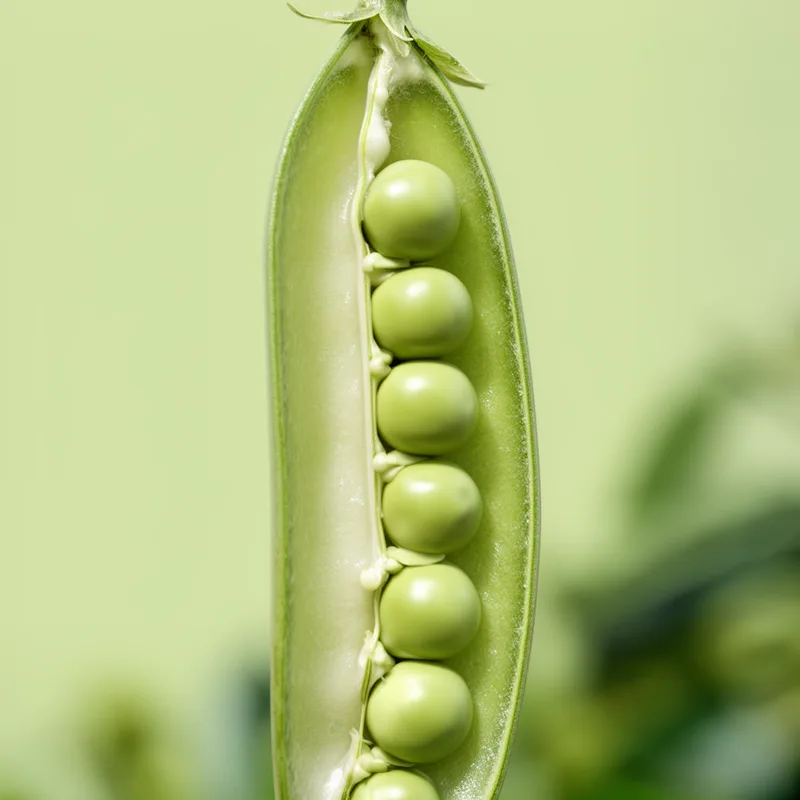
- In marginal placentation, ovules are attached along the ventral suture.
Examples
-
In legumes such as peas and beans, marginal placentation is commonly observed within their pods.
-
The botanist explained that marginal placentation is characteristic of simple, unilocular ovaries.
-
When studying flower anatomy, students learned to identify marginal placentation in various plant families.
-
The pea plant exhibits marginal placentation.
-
In legumes such as peas and beans, marginal placentation is commonly observed within their pods.
-
The botanist explained that marginal placentation is characteristic of simple, unilocular ovaries.
-
When studying flower anatomy, students learned to identify marginal placentation in various plant families.
Synonyms

A way the parts that become seeds attach to the inner wall of a plant ovary
Surface Forms
Morphology
The phrase combines 'marginal' (located at the outer border) with 'placentation' (the placement pattern of ovules), so the meaning — ovules positioned along the margin of the ovary — is directly inferable from the parts. Although it is a technical botanical term, the adjective+noun composition is transparent and follows regular descriptive patterns common in scientific vocabulary, so a learner who knows both constituents can predict the meaning.
Etymology
Marginal placentation comes from a simple picture: marginal means 'edge' and placentation means 'where seeds are placed'. In some plants like peas, the seeds sit in a neat row along the pod's edge, so the term describes seeds attached along that edge.

