
magnoliopsid
- noun
- /mæɡˈnoʊliˌɑːpsɪd/
- Specialized
- Most garden vegetables, like beans and tomatoes, are classified as magnoliopsids.
Examples
-
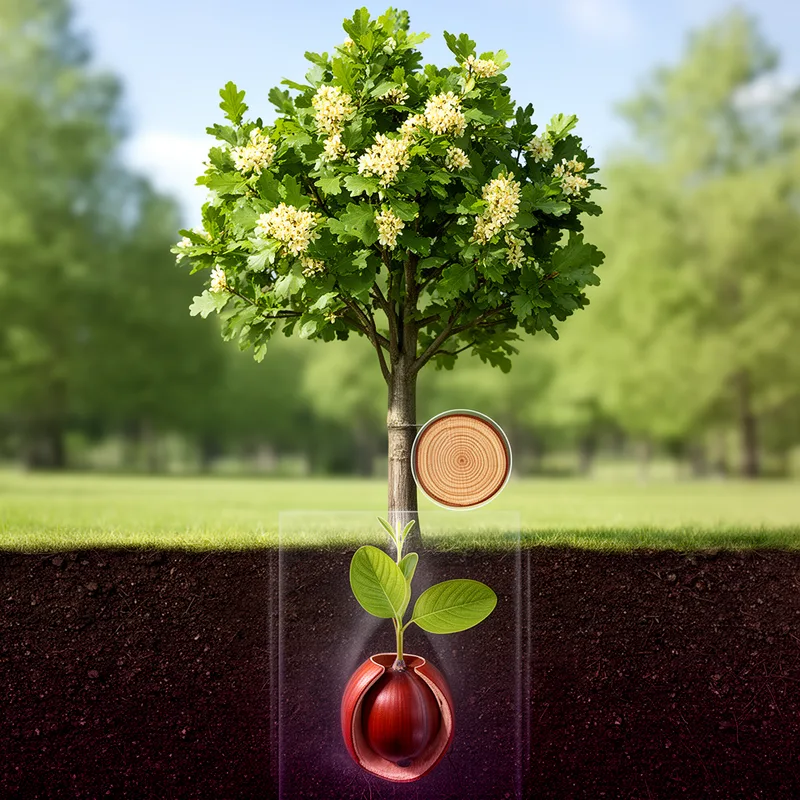
The oak tree is a classic example of a magnoliopsid found in temperate forests.
-
Researchers discovered a new species of magnoliopsid thriving in the tropical rainforest.
-
The magnoliopsid family includes many familiar plants.
-
Many magnoliopsids are known for their beautiful flowers.
-
Many popular fruits, including apples and oranges, belong to the magnoliopsid category.
-
The study focused on identifying characteristics common to various magnoliopsids in the area.
-
A variety of flowering plants, all classified as magnoliopsids, bloom in spring.
Synonyms


 1
9.9
1
9.9
A flowering plant with two seed leaves inside its seed
 1
9.1
1
9.1
A plant that makes flowers and whose seeds have two small leaves inside

A woody flowering plant whose trunk adds new wood outside and whose seed has two leaves
Compounds

- Specialized
A group of flowering plants with two seed leaves when they start to grow
Surface Forms
Morphology
magnoliopsid = magnoliopsida (opaque) = magnoli + opsid
Formed from specialized botanical terminology (Magnoliopsida) using combining forms; the relation to common words is technical and not guessable by typical learners.
Etymology
The word magnoliopsid comes from the familiar flowering tree Magnolia and the ending -opsid, which marks a 'group' of plants, so think of it as the Magnolia-type plant group. A magnoliopsid today means a flowering plant that has 'two seed leaves', like beans, tomatoes and oak trees.