
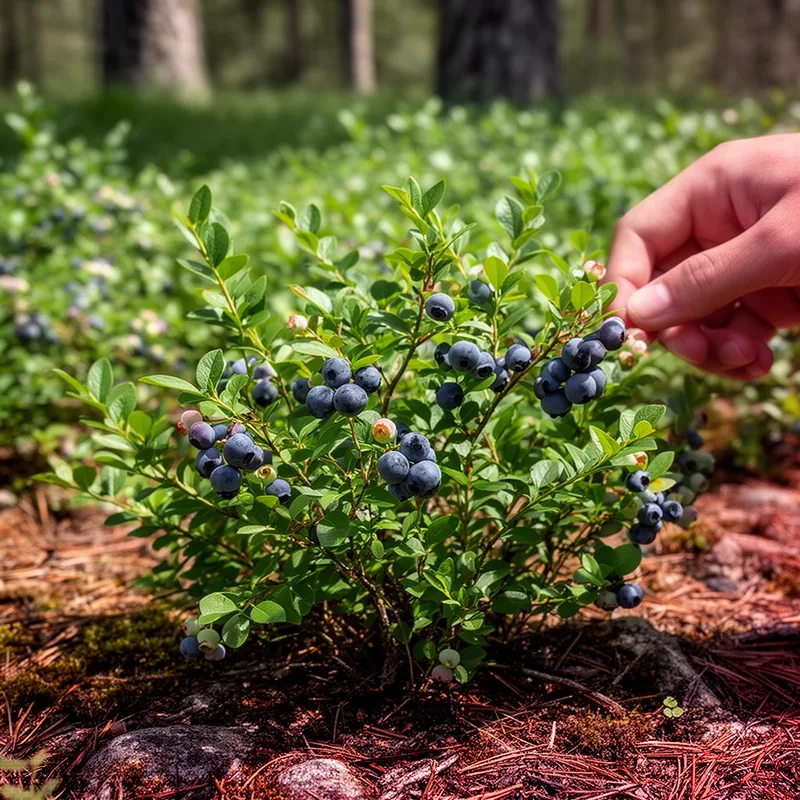
low blueberry
- noun
- /loʊ ˈbluːbɛri/
- US
- The sweet taste of low blueberries makes them popular for making jams and pies.
Examples
-
The low blueberry plants thrive in acidic soil.
-
Many wild low blueberries can be found growing in the forests of Maine.
-
Harvesting low blueberry plants is a summer tradition for some local families.
-
I picked some low blueberries from the garden.
-
Many wild low blueberries can be found growing in the forests of Maine.
-
The sweet taste of low blueberries makes them popular for making jams and pies.
-
Harvesting low blueberry plants is a summer tradition for some local families.
Synonyms

A small low shrub with sweet dark blue berries

A low bush in northeastern North America that makes small sweet dark blue berries

A low bush in northeastern forests that makes small sweet dark blue berries
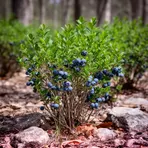
A low bush that loses its leaves and has dark blue sweet berries like small wild blueberries

A low bush in the eastern United States that has dark blue sweet berries
A low bush that has dark blue sweet berries
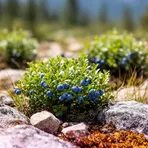
A low bush that has small sweet blue berries
Surface Forms
Morphology
The noun phrase is a direct composition of the adjective 'low' (at a low physical height) and 'blueberry' (a berry-producing shrub/fruit), so its meaning as a low-growing blueberry plant or berries from such plants is directly derivable. This adjective+noun pattern is a basic, cross-linguistically common compositional structure that a B1 learner who knows both words will readily understand.
Etymology
Low blueberry gets its name from how the plant looks: the bush grows low to the ground and makes dark blue blueberries, so people bend down to pick them. That's why the name means 'a small, low-growing bush with edible blue berries'.

