
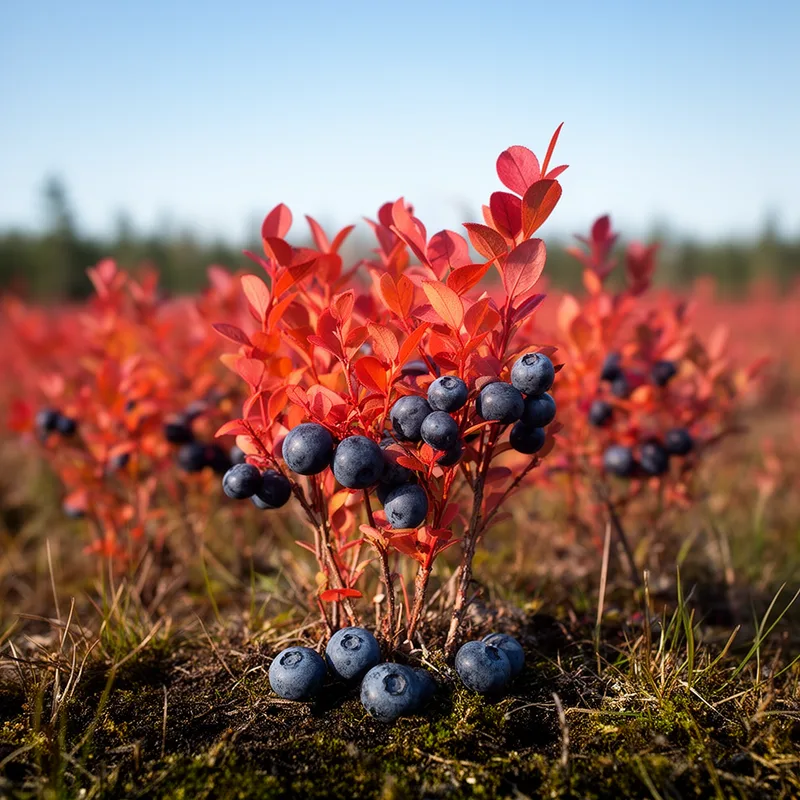
low-bush blueberry
- noun
- /loʊ bʌʃ ˈbluːbɛri/
- US
- Wild low-bush blueberry plants thrive in the cool climates of Maine and eastern Canada.
Examples
-
Low-bush blueberry fields take on a brilliant red color in autumn.
-
The jam was made with handpicked low-bush blueberries from a local farm.
-
The low-bush blueberry is a favorite among foragers.
-
Many people enjoy picking low-bush blueberries in the summer.
-
In late summer, we picked sweet low-bush blueberries from the garden to make pies.
-
He enjoyed hiking through the forest, where he found patches of low-bush blueberries along the trail.
-
The low-bush blueberry is often used in jams and jellies due to its rich flavor.
Synonyms

A low bush in northeastern North America that makes small sweet dark blue berries

A low bush in northeastern forests that makes small sweet dark blue berries
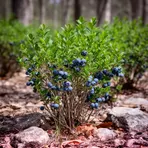
A low bush that loses its leaves and has dark blue sweet berries like small wild blueberries

A low-growing shrub that has sweet dark blue berries in small groups

A low bush in the eastern United States that has dark blue sweet berries
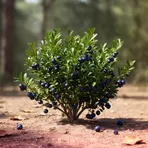
A low bush that has dark blue sweet berries
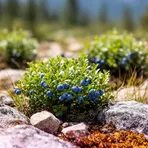
A low bush that has small sweet blue berries
How Tall

Surface Forms
Morphology
low-bush + blueberry
The phrase is transparently compositional: 'low' + 'bush' modifies 'blueberry' to indicate a blueberry plant that is low-growing and bush-like. This modifier-noun pattern is common and predictable cross-linguistically, so a B1 learner who knows the constituent words can infer it refers to a low-growing type of blueberry (though botanical precision may be new).
Etymology
The plant name low-bush blueberry comes from the way the plant grows. It is a low short bush that makes blueberry fruits close to the ground, so the name means 'a low-growing shrub that makes blueberries'.

