
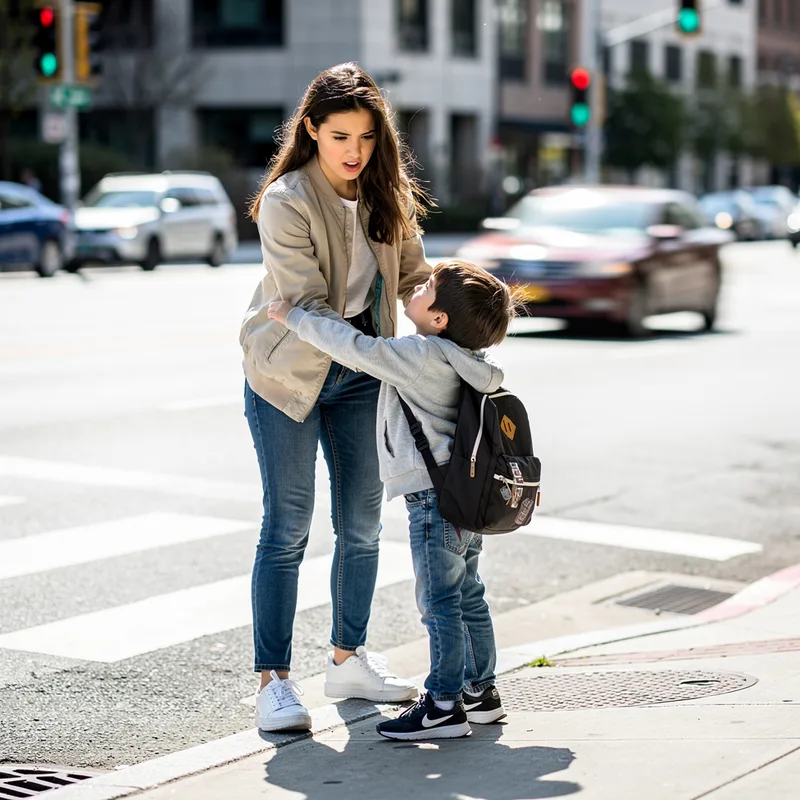
to look out for
 291
3.0
291
3.0

- phrasal verb
- Teachers must look out for signs of bullying among their students.
- look out for others
- look out for interests
- look out for your own
Loading YouTube…
Watch on YouTubeMore Apple content coming tomorrow, look out for it later.
- More Apple content coming tomorrow, look out for it later.
- Trust Donald Trump and JD fans to look out for your family.
- So what should we look out for in trying to spot chart crimes?
- The next skin sign to look out for is changes in your hair.
- Well, anyway, look out for Keys to the Kingdom.
- And and equally, we, you know, the brain wants to look out for danger to protect us.
- I had the strap line look out for the red jackets.
- Like Josh looks out for me every single day.
- Oh, well, I appreciate you looking out for me, man.
- Is there any callbacks that we should, like, look out for?
- So when you're being selfish, that just means you're looking out for whose interest yours.
Examples
-
The next skin sign to look out for is changes in your hair.
-
I'm just trying to look out for you.
-
One more thing, he will look out for our boys too.
-
And what he needs is someone to look out for him, Right?
-
And so we had to look out for ourselves.
-
Now I need you to look out for me.
-
I think we need to look out for ourselves from here on out.
-
Each generation must look out for itself.
-
All I ask is that you look out for my interests in return.
Fiction book (1999) -
I'm looking out for you.
Synonyms
 ∞
1.6
∞
1.6
To focus on someone or something and notice carefully
 619
2.4
619
2.4
To watch something carefully to learn about it
 408
2.4
408
2.4
To watch someone or something carefully to make sure nothing bad happens
 145
2.3
145
2.3
To look after someone or something to keep them safe
 134
3.2
134
3.2
Watch carefully for someone or something
 97
3.8
97
3.8
Watch carefully for danger or a chance
 47
3.4
47
3.4
Watching carefully to find someone or something
 28
3.4
28
3.4
To watch carefully so you notice danger or changes
 16
4.6
16
4.6
Watch carefully for something important or dangerous
 8
3.0
8
3.0
Look at a person or thing very carefully for a while to notice problems
 2
3.1
2
3.1
To stay and watch to protect people or a place
 1
6.0
1
6.0
Watch carefully for something you expect to see

To notice problems or danger before other people do
Antonyms

How Watchful
- Informal
1
6.0
 145
2.3
291
3.0
145
2.3
291
3.0
- Informal
408
2.4
∞
1.0
Surface Forms
Morphology
The meaning 'be alert/watch/protect' is directly derivable from combining 'look' (to direct one’s eyes or attention) with the particle 'out' (directing attention outward) and 'for' (marking the target). This compositional phrasal-verb + preposition pattern is common and cross-linguistically transparent, so a B1 learner who knows the constituents will normally infer the intended meaning.
Etymology
Look out for comes from the simple picture of someone standing and looking out to spot danger or a friend, with for showing who or what they watch. So the phrase means 'to be alert' and 'to watch or protect'.