
law of equivalent proportions
- noun
- /lɔː əv ɪˈkwɪvələnt pəˈrɔːpɔrʌn/
- Specialized
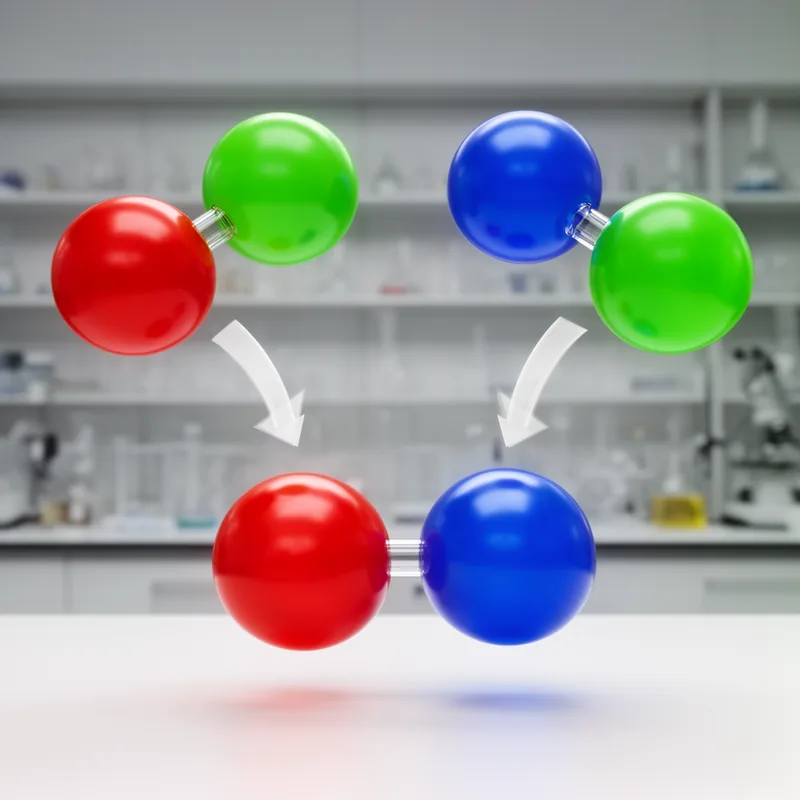
- According to the law of equivalent proportions, the ratio in which two elements combine with a third will also apply when those two combine with each other.
Examples
-
Dalton cited the law of equivalent proportions as evidence supporting atomic theory.
-
According to the law of equivalent proportions, elements combine in fixed ratios.
-
The law of equivalent proportions helped chemists understand relationships between elements in the early 19th century.
-
The law of equivalent proportions is fundamental in chemistry.
-
According to the law of equivalent proportions, when two elements react with a third element, their combining ratios will be consistent with the ratios they combine with each other.
-
The law of equivalent proportions illustrates how the proportions of elements remain constant during chemical reactions.
-
Chemists rely on the law of equivalent proportions to predict how elements will combine based on their interactions with a third element.
Synonyms

When two elements combine with the same mass of a third, they combine with each other in a simple ratio
Surface Forms
Morphology
law + of + equivalent + proportion
The phrase is compositionally built: 'law' signals a scientific rule, 'equivalent' denotes equality in combining power, and 'proportions' refers to ratios, so together they denote a rule about equal ratios. Although the full technical details are domain-specific, the overall meaning is directly inferable from the constituents by a learner who knows those words.
Etymology
Law of equivalent proportions comes from early chemists who measured how elements mix. They found that when element A and element B each 'combine' with element C in fixed 'ratios', the amounts keep the same proportions when A and B combine, so the law says those mixing ratios will match.

