
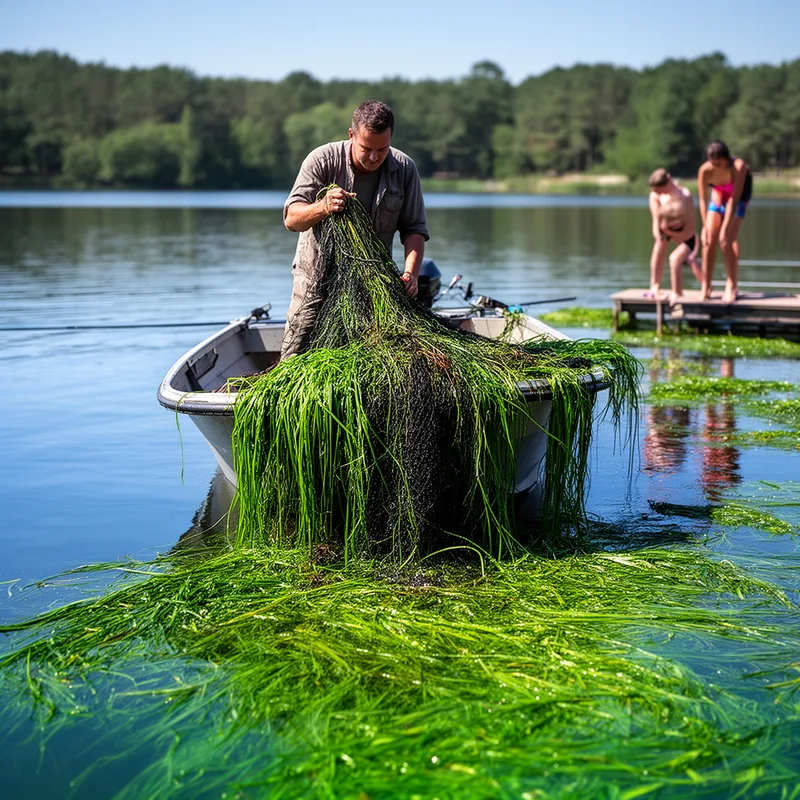
lakeweed
- noun
- /ˈleɪkˌwiːd/
- The lakeweed can quickly take over a pond, making it difficult for other plants to grow.
Examples
-
Yayu had Liana inspect Iste's skein of lakeweed for weak fibers.
Fiction book (2000) -
Linna snatched up a long coil of lakeweed fiber.
Fiction book (2000) -
Yayu herself cut out weak sections and made small, clever knots to tie the lakeweed into one thin, long kite string.
Fiction book (2000) -
Invasive lakeweed can disrupt local ecosystems by choking out native species.
-
Removing lakeweed from the shoreline helped restore the natural beauty of the lake.
Synonyms

 1
3.4
1
3.4

A plant that grows in or near water, like a water lily
 1
8.3
1
8.3
A very small plant that floats on still water in a green carpet


 1
6.8
1
6.8
A water plant that grows in ponds and lakes with long or floating leaves

A plant that grows under water in ponds or aquariums and spreads quickly
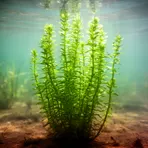
A water plant from North America with long green stems that grows in ponds

A very small floating plant that forms a green layer on the surface of ponds

A small floating water plant like duckweed that grows in temperate regions outside North America
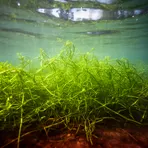
A water plant from North America that grows in lakes and ponds and often forms thick mats

A water plant with long curly leaves that grow under water in ponds and lakes

A water plant with wavy leaves that grows in lakes and ponds
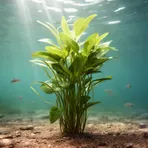
A water plant with leaves of different shapes that grows in lakes

A water plant with floating leaves that grows in ponds and lakes in northern Europe and the United States
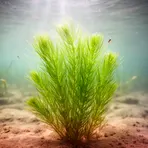
A water plant with thin leaves that grows in still or slow-moving fresh and slightly salty water

A floating plant with thick leaves and blue or purple flowers that grows fast and blocks rivers
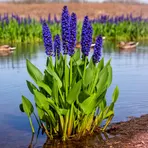
A water plant with broad leaves and blue flower spikes that grows at pond edges
Surface Forms
Morphology
Etymology
Lakeweed comes from the two simple words lake ('a body of fresh water') and weed ('an unwanted plant'), much like the familiar word seaweed. So lakeweed means plants that grow in lakes and are often unwanted or spreading.