

kinaesthesis
- noun
- /ˌkɪnəˈɛsθəs/
- Specialized
- Damage to certain nerves can impair a person’s kinaesthesis, making movement coordination difficult.
Examples
-
Children develop kinaesthesis as they learn to crawl, walk, and run.
-
Professional dancers often have a highly developed sense of kinaesthesis.
-
The dancer's kinaesthesis allows her to move gracefully.
-
Children develop kinaesthesis as they learn to walk.
-
Children develop kinaesthesis as they learn to crawl, walk, and run.
-
Professional dancers often have a highly developed sense of kinaesthesis.
-
Damage to certain nerves can impair a person’s kinaesthesis, making movement coordination difficult.
Synonyms


 1
9.8
1
9.8
The sense that tells you where your body parts are, how they move, and how tight they are
 1
9.9
1
9.9
The sense that tells you where your body parts are and how they move
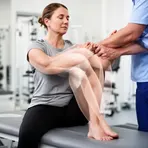 1
6.0
1
6.0
The feeling of where and how your arms or legs move
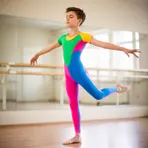
To feel where your body parts are and how they move

To feel and know where your body, arms, and legs are and how they move

Ability to feel where your body parts are and how they move without looking

A sense of where your arms and legs are and how they change position
How Aware

Surface Forms
Morphology
kinaesthesis = kina + esthesis
The word is built from Greek combining forms ('kina-' for movement and 'esthesis' for sensation) that are not productive or recognizable to average learners, so the meaning cannot be reliably derived from the parts.
Etymology
The word kinaesthesis comes from Greek parts: kine- meaning 'movement', as in kinetic, and -aesthesis meaning 'feeling' or 'sensation', as in aesthetic. So kinaesthesis is the body's sense of movement and where its parts are.