

kinesthetics
- noun
- /ˌkɪnəˈsθɛtɪks/
- Specialized
- Many athletes develop their kinesthetics to enhance their performance and coordination in sports.
Examples
-
Teachers often use activities that engage students' kinesthetics, allowing them to learn through movement.
-
"What if we looked at it this way?" might have to be couched as "What if we felt about it this way?" for kinesthetics, for example.
Blog text (15) -
It is a more focused, dedicated, and intentional effort blending creativity, inquiry, and kinesthetics.
Academic text (2013) -
A promising technique for learning phonemes is to study the kinesthetics of production using mouth pictures and mirrors (Castiglioni-Spalten & Ehri, 2003).
Academic text (2012) -
He improved his awareness of his body and limbs by practicing kinesthetics during his dance classes.
Synonyms


 1
9.8
1
9.8
The sense that tells you where your body parts are, how they move, and how tight they are
 1
9.9
1
9.9
The sense that tells you where your body parts are and how they move
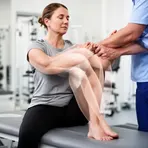 1
6.0
1
6.0
The feeling of where and how your arms or legs move

Awareness of how your body parts move and where they are
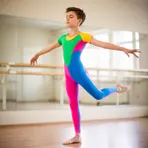
To feel where your body parts are and how they move

Ability to feel where your body parts are and how they move without looking
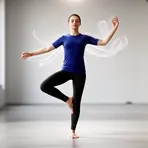
A sense of where your arms and legs are and how they change position
How Aware
- Specialized

- Specialized
Surface Forms
Morphology
kinesthetics = kinesthetic (transparent) = kinesthetic + s
The suffix '-s' is used to form a noun from the adjective 'kinesthetic', indicating a field or study.
Etymology
Kinesthetics comes from the Greek words kinesis 'movement' and aisthesis 'feeling' (you can also see kinesis in the word kinetic, which means movement), so it literally means 'feeling movement' and that is why it refers to the ability to sense and know your body's movements.