
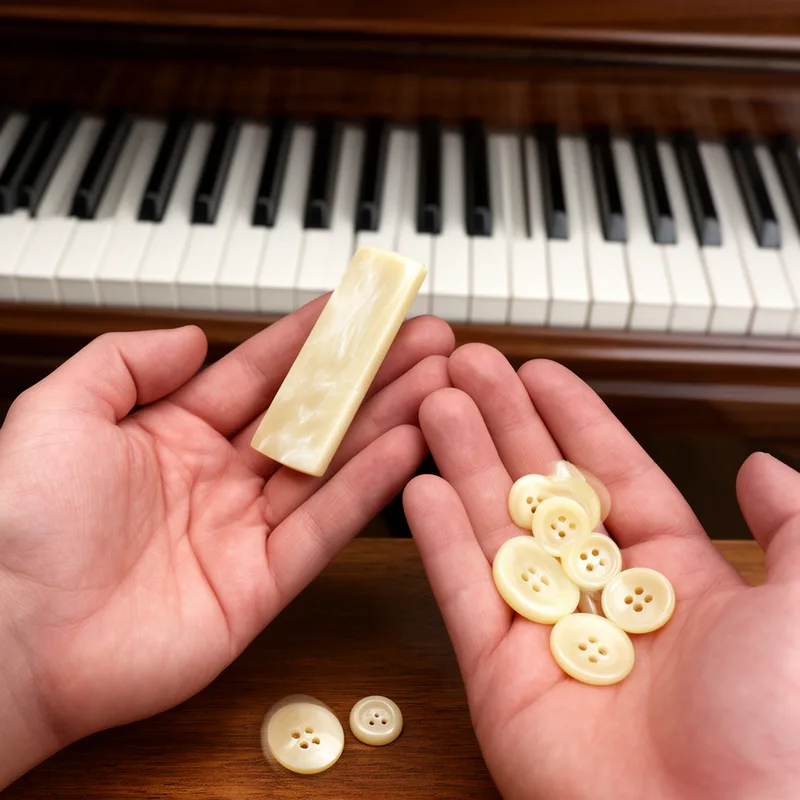
ivorine
- noun
- /ˈaɪvərɪn/
- Archaic
- He prefers ivorine over real ivory for ethical reasons.
Examples
-
The ivorine buttons on her jacket looked stunning.
-
The vintage button was crafted from ivorine to mimic the look of genuine ivory.
-
The old piano had keys made of ivorine instead of real ivory.
-
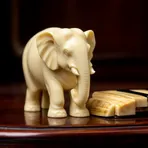
Collectors often prefer ivorine chess pieces because they are more affordable and ethical.
-
The artisan crafted beautiful jewelry from ivorine, creating a striking resemblance to real ivory.
-
She chose a set of buttons made from ivorine for her vintage coat, valuing its elegant look.
-
The piano keys were made of ivorine, giving the instrument a classic appearance without using real ivory.
Synonyms

A hard white seed from a South American palm used to make buttons and small objects

A hard white seed from some South American palms that people use to make buttons and small carved objects
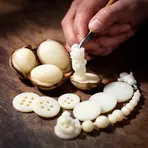
A hard white nut used like ivory for making buttons and small carvings
Antonyms


Surface Forms
Morphology
Etymology
Ivorine names a man-made material formed to look like ivory, built from ivory plus the ending -ine meaning 'like'. That is why ivorine is used for piano keys, buttons, or small objects when people want the look of ivory without using real tusks.