
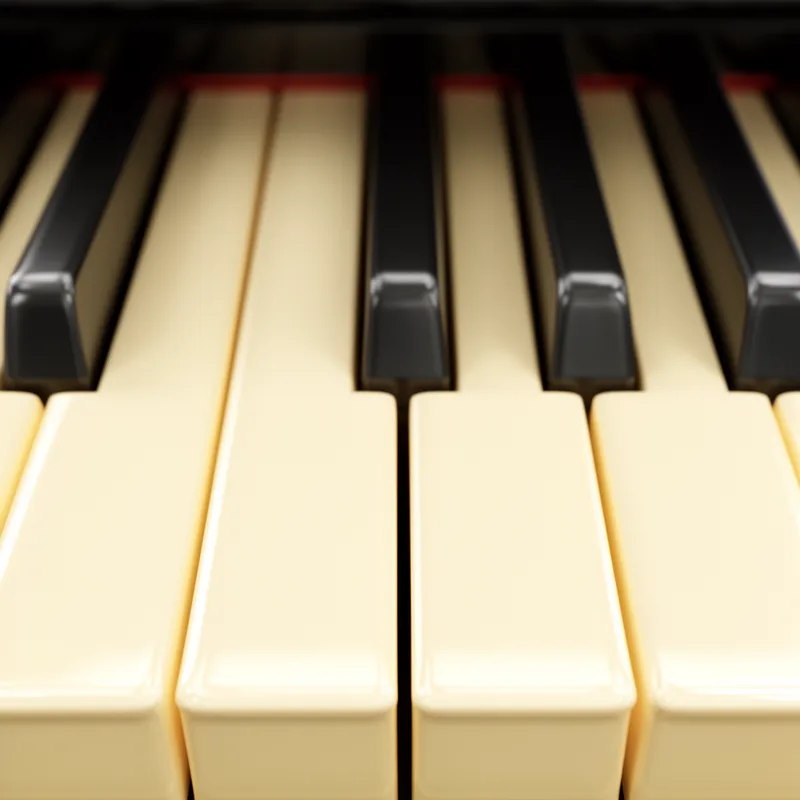
ivorine
- adjective
- /ˈaɪvərɪn/
- The walls were painted in a soft ivorine hue.
Examples
-
The antique piano had ivorine keys that looked almost identical to real ivory.
-
She wore an elegant dress in a soft ivorine shade for the wedding.
-
The artist chose ivorine paint to capture the delicate color of the elephant's tusks.
-
She chose an ivorine dress for the wedding.
-
The antique figurine was crafted from ivorine, giving it a beautiful, ivory-like appearance.
-
She chose an ivorine necklace because it resembled real ivory but was more affordable.
-
The artist used ivorine for the sculpture, achieving a stunning resemblance to genuine ivory.
Synonyms
 9
3.5
9
3.5

A pale creamy white color like elephant tusks
 5
7.6
5
7.6
A very pale white color like polished stone

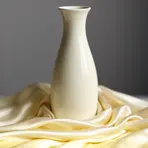
Pale yellowish white like fresh cream
Antonyms

How Ivory-Colored

Surface Forms
Morphology
Etymology
Ivorine comes from ivory, the hard white material from elephant tusks, plus the ending -ine which means 'like'. So ivorine means 'like ivory' and is used to describe a soft white color or smooth, ivory-like feel.