
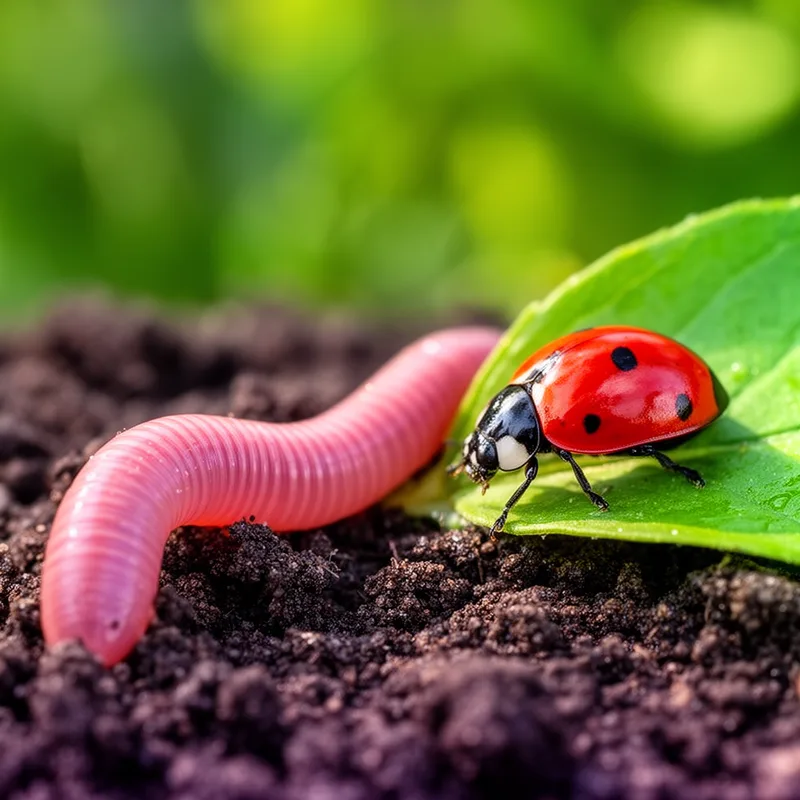
invertebrate
 9
5.0
9
5.0

- noun
- /ɪnˈvɜrtəbrɪt/
- The slimy marine invertebrates became a prized delicacy and aphrodisiac in China in the eighteenth century.
- marine invertebrates
- soil invertebrates
- benthic invertebrates
Loading YouTube…
Watch on YouTubeIf we were going to pick something that was an invertebrate besides octopi, maybe spiders.
- If we were going to pick something that was an invertebrate besides octopi, maybe spiders.
- And the slug is expressed exactly at the same place as it is invertebrates.
Examples
-
A 1973-74 survey revealed that 156 species of benthic invertebrates, representing most major taxa, grew in the bay.
Academic text (1990) -
If we were going to pick something that was an invertebrate besides octopi, maybe spiders.
-
Within a week, however, they can not only walk about but also capture invertebrate prey on their own.
Academic text (1993) -
And now that concept is being used in studies of invertebrates again.
-
This one goes out to all the invertebrates out there.
-
We observe invertebrates in the tidal pools.
-
The oceans are vast, and these are common invertebrates in oceans where they swarm by the billions.
-
It's about the invertebrates, creatures without backbones, starting with a little tiny things, the microbes that rule the world.
-
During my dive, I couldn't count the hundreds of species of invertebrates on the rocky outcrop and muddy plain.
Academic text (1992) -
The aquarium has a fascinating display of invertebrates like jellyfish and sea anemones.
Antonyms

Compounds
- Specialized
A soft body part that animals without backbones use to move or hold on
Surface Forms
Etymology
The word invertebrate comes from in- ('not') and vertebrate ('a backbone animal'). So an invertebrate is an animal 'without a backbone', like insects, worms, or mollusks.