
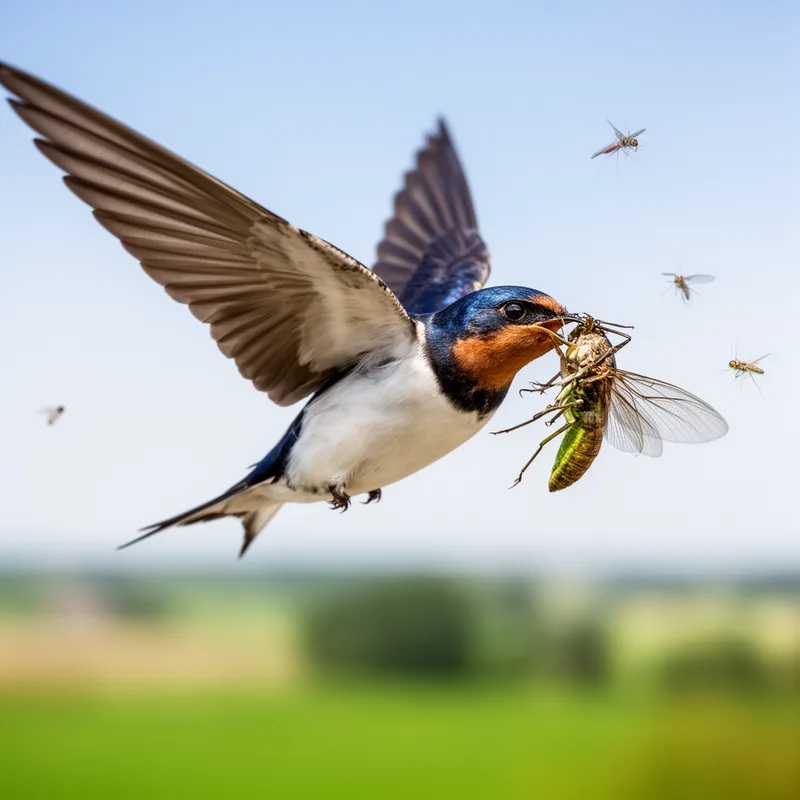
insectivorous


 1
7.6
- adjective
- /ɪnˈsɛktɪˌvɔrəs/
- Specialized
- With insectivorous birds in decline in many places in the world, I suspect there has been a concurrent increase in spiders.
- an insectivorous bird
Examples
-
However, this cannot explain why the lowest densities of insectivorous shrews co-occur with those of herbivorous voles.
Academic text (2004) -
Some are almost entirely insectivorous during the breeding season but eat large amounts of fruit either during migration or once they reach their wintering grounds.
Academic text (1993) -
I've never seen an insectivorous plant before.
-
This is the same species of sundew that Darwin studied and wrote about and maybe half of his book on insectivorous plants.
-
Wrens, strictly insectivorous year-round, eat foods that contain primarily protein and fat and that generally lack sugar.
Academic text (1993) -
And in case you don't know, a numbat is an endangered insectivorous marsupial from WA with distinctive regal markings down its back.
-
Greater natural enemy presence has been observed in the more diverse and shaded agroforestry systems, and increased bird diversity and density have been shown to reduce herbivore plant damage through greater insectivorous bird predation (Perfecto et al. 2004).
Academic text (2011) -
The Venus flytrap is a well-known insectivorous plant that captures insects using its specialized leaves.
-
The numbat is an insectivorous marsupial that primarily feeds on termites, showcasing a unique adaptation for survival.
-
Many garden plants, such as sundews, are insectivorous, attracting and digesting insects to obtain essential nutrients.
Antonyms
Surface Forms
Morphology
Etymology
Insectivorous joins insect and the root vorare meaning 'to eat', the same idea you see in devour and in words like carnivorous. So, insectivorous describes animals or plants that 'eat insects'.