

inanimateness
9.8
Lack of life or movement in things
- noun
- /ˌɪnəˈnæmətəs/
:
inanimación
- Despite its inanimateness, the old chair seemed to tell a story of the families who had gathered around it.
Examples
-
The sculpture's inanimateness gave it a haunting beauty, as if it held secrets within its stone form.
-
In the museum, the inanimateness of the artifacts highlighted the awe of ancient civilizations.
-
I gazed at the strange, curly-tailed creatures, envying their silken inanimateness.
Fiction book (2001)
Synonyms

lifelessness
vsinanimateness
 1
5.4
1
5.4

A lack of life, energy, or movement
refers to lack of life or consciousness rather than low energy or dullness
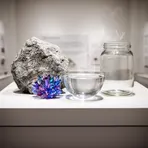
nonlife
vsinanimateness
8.2
Things that are not alive, like rocks and water
stresses absence of consciousness in addition to lacking life

9.9
The state of not being able to feel or notice things
also covers being biologically dead rather than only lacking awareness

9.9
A grammar feature that shows a noun is not alive and changes its form
is about actual lack of life or consciousness rather than a grammar feature
Antonyms

How Alive

Surface Forms
inanimateness singular
inanimatenesses plural
Morphology
Etymology
Inanimateness comes from Latin parts in- meaning 'not' and anima meaning 'breath' or 'soul', the same root you find in animate and animal. So inanimateness is the state of being 'not alive' or having no life, which is why we use it for things that feel cold or empty.