

inanimate
 11
5.3
11
5.3

- adjective
- /ɪˈnænɪmət/
 :
inanimado
:
inanimado
- Later, of course, it became apparent that writing was a way of making the inanimate talk.
- inanimate objects
- inanimate matter
- inanimate instrument
That means we assign agency to inanimate objects.
- That means we assign agency to inanimate objects.
- Other people, stones and rocks and trees may now be inanimate for him, but what about his friends?
- It is an inanimate state, inanimate piece of land with borders drawn around it, right?
- Now the next step in the chain of thinking was where do we see inanimate non intelligent life outwitting intelligent life?
Examples
-
Biologists the world over in generations have been struggling to give a full account of how inanimate matter can ultimately yield living systems.
-
For still others, including ourselves, time was inanimate, linear, and relentless.
Academic text (2004) -
An inanimate object is no match--
-
- They were inanimate objects.
-
We had to find an inanimate object that represented our emotional state.
-
The chill on its handle is like the cold of all inanimate metal.
Fiction book (1991) -
That means we assign agency to inanimate objects.
-
In Aristotle's writing, whereas natural things possess inner principles of change and rest, inanimate objects lack these innate impulses.
Academic text (2013) -
A rock is an example of an inanimate object that cannot move on its own.
-
The table remained inanimate, despite the loud conversations around it.
Synonyms
 248
1.0
248
1.0
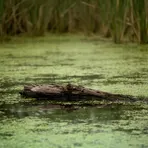
Still and quiet, without movement or life, like water
 28
3.4
28
3.4
Not moving and showing no signs of people or animals
 7
5.5
7
5.5
Not moving and without the energy or will to act


 1
7.6
1
7.6
Something that is not lively and seems dull and without energy

Not alive and does not grow or breathe

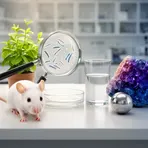
Not alive, for example stones, water, and machines

Without life or any sign of feeling
Antonyms
How Alive

Surface Forms
Morphology
Etymology
Inanimate comes from the Latin parts in- meaning 'not' and anim meaning 'breath' or 'soul', the same root you see in animate and animal. So inanimate literally means 'not breathing' or 'not alive', which is why we use it for things that lack life or movement.