
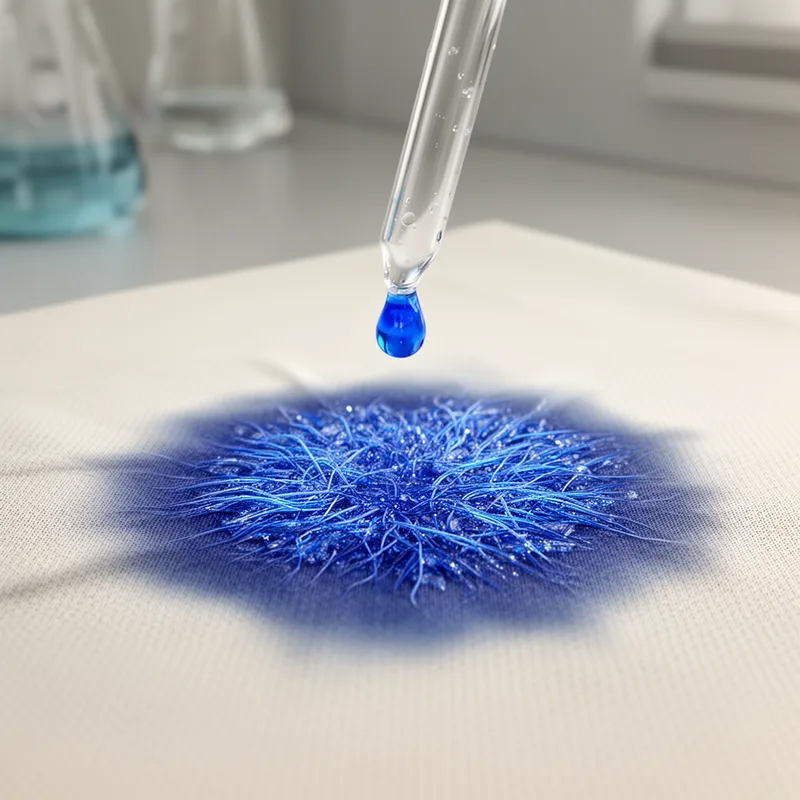
hydrophilicity
- noun
- /ˌhaɪdrəˌfɪlˈɪsɪti/
- Specialized
- Scientists measured the hydrophilicity of the new coating to see how well it attracts water.
Examples
-
The hydrophilicity of the fabric makes it ideal for sportswear that absorbs sweat.
-
Increasing the hydrophilicity of a surface can help prevent water from forming droplets.
-
The hydrophilicity of this material makes it ideal for wet environments.
-
What is the hydrophilicity of the new polymer?
-
The hydrophilicity of the fabric makes it ideal for sportswear that absorbs sweat.
-
Scientists measured the hydrophilicity of the new coating to see how well it attracts water.
-
The hydrophilicity of this material makes it highly effective in humid conditions.
Synonyms

 3
4.8
3
4.8

The amount of liquid a material soaks up
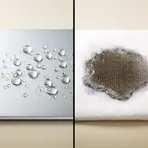
How well a liquid stays on a surface or spreads across it
Antonyms


How Water-Loving

Surface Forms
Morphology
hydrophilicity = hydrophilic (semi-transparent) = hydro + phil + ic + ity
The noun is formed regularly from the adjective 'hydrophilic' with the standard suffix -ity.
Etymology
The word hydrophilicity comes from hydro- meaning 'water', like in hydrate, and -phil- meaning 'love' or 'attract', like in philosophy ('love of wisdom'). So, hydrophilicity literally means a 'love of water', which explains why something with this property attracts or soaks up water easily.