

nonhydrophobic
- adjective
- Specialized
- Further, the substantial increase in evaporation between the hydrophobic and nonhydrophobic simulations is probably due to the limitation of the HYDRUS-1D model to consider soil moisture retention by the pine litter cover of the surface soil.
Examples
-
In the meantime, the cumulative surface soil evaporation increased by 17% in the repellent pine condition scenario (Scenario 3) compared to the nonhydrophobic simulation (Scenario 2) in response to the severely hydrophobic surface layer.
Academic text (2017) -
The nonhydrophobic surface allowed water to spread evenly across the table.
-
In rainy conditions, nonhydrophobic materials absorb water quickly and lose their effectiveness.
-
The researchers tested a nonhydrophobic fabric, which soaked up the spilled water instead of repelling it.
Synonyms
 1
6.5
1
6.5

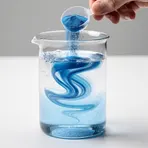
A material that likes water and mixes with it easily
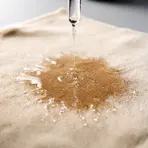
A material that water soaks into or spreads over easily

Able to take in water or living in wet places
Antonyms

How Hydrophobic

Surface Forms
Morphology
nonhydrophobic = hydrophobic (transparent) = non + hydrophobic
The adjective is formed by straightforward negation of the familiar adjective 'hydrophobic' with the productive prefix 'non-', yielding 'not repelling water'.
Etymology
The word nonhydrophobic is built from non- ('not'), hydro ('water') and phobic ('afraid'), so it literally means 'not afraid of water'. So, a nonhydrophobic surface does not push water away and lets water spread or soak in.