
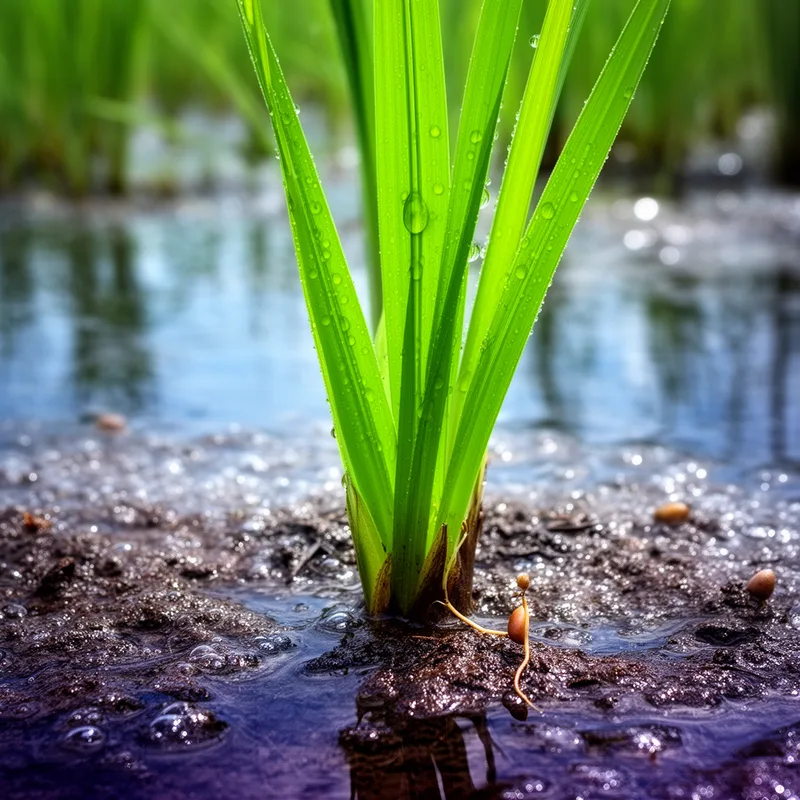
hydrophilous
- adjective
- /ˌhaɪdrəˈfɪləs/
- Specialized
- Some hydrophilous species can survive and grow fully submerged in aquatic habitats.
- hydrophilous species
- hydrophilous systems
Examples
-
The hydrophilous plants thrive in wetland environments where they can absorb water easily.
-
These hydrophilous organisms are crucial for maintaining healthy ecosystems in marshes and swamps.
-
In this model, self-pollination occupies a key intermediate position that allows hydrophilous features to accumulate while maintaining seed production.
Academic text (1996) -
Finally, transitional stages that may have linked ancestral aerial pollination systems and derived hydrophilous systems have not been identified.
Academic text (1996) -
The preceding examples indicate that convergent hydrophilous reproduction has apparently evolved successfully from both biotic and abiotic systems.
Academic text (1996) -
These primitive characteristics are convergent with features that have been derived in other hydrophilous angiosperms, presumably as adaptations to water pollination.
Academic text (1996) -
Callitriche is the only genus of flowering plants that is known to have both aerial and hydrophilous pollination systems (Philbrick 1993).
Academic text (1996) -
Most hydrophilous systems have evidently evolved from anemophilous precursors (Les 1988a, b, Sculthorpe 1967).
Academic text (1996) -
Hydrophily may have evolved by gradual selection on aerial floral systems, leading to the accumulation of hydrophilous characters (the so-called gradual model).
Academic text (1996) -
Including Callitriche and Ceratophyllum (Figure 4), the only hydrophilous dicot genera, hydrophily has evolved as many as nine times in angiosperms.
Academic text (1996)
Synonyms

 31
4.4
31
4.4

Living in or found in water
 1
6.5
1
6.5
A material that likes water and mixes with it easily
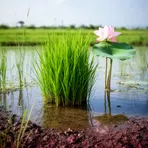
A plant that grows in water or very wet ground
Needing a lot of water to grow in very wet places
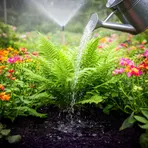
Needing a lot of water to grow
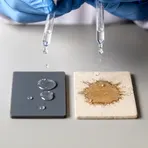
Allowing water to soak in or spread on it

Relating to water or to things that live in water
Antonyms

How Water-Loving

Surface Forms
Morphology
hydrophilous = hydrophile (transparent) = hydro + phil + ous
The meaning follows the straightforward water-loving pattern, so the sense is largely recoverable from the components.
Etymology
Hydrophilous comes from the Greek parts hydro- 'water' and -philous 'loving', like in hydrate or hydrant. So something called hydrophilous 'likes' water, can take up water, or lives in wet places.