

to howl at the moon
 4
8.2
4
8.2

- idiom
- Informal
- Sometimes I come outside at night just to howl at the moon.
- a dog howls at the moon
Examples
-
On quiet nights, I love to howl at the moon to express my deepest feelings.
-
We're gonna howl at the moon!
-
At night, they howl at the moon.
Fiction book (2002) -
Then, when he's alone, he takes a deep breath and howls at the moon.
Fiction book (1990) -
Last night, I howled at the moon, and some poor, wretched beast answered from the dark.
-
You're up here, you're howling at the moon!
-
When she felt frustrated, she would often go outside and howl at the moon to release her emotions.
-
After watching the sad movie, he stepped onto the balcony to howl at the moon in despair.
Synonyms
 ∞
1.0
∞
1.0
To make a loud high cry because of fear or pain
 ∞
1.0
∞
1.0
To shout loudly because you feel strong pain, anger or excitement
 342
1.0
342
1.0
To make a loud call to show feeling or get attention
 108
1.8
108
1.8
Shout loudly to show a strong feeling, for example when surprised or hurt
 72
2.9
72
2.9
To make a loud high sound often because of fear, pain or excitement
 48
2.6
48
2.6
To give a long loud cry because of pain, grief, or anger
 39
4.7
39
4.7
Shout loudly in a deep voice because you are angry or hurt
 39
5.9
39
5.9
Cry or shout loudly and without control
 11
3.6
11
3.6
To shout loudly to show anger or excitement
 1
2.1
1
2.1
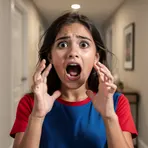
To make a loud sudden cry because you are scared, hurt, or surprised
Antonyms

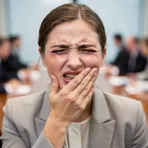
How Dramatic
84
3.2

- Informal
4
8.2
108
1.8
177
1.0
∞
1.0
Surface Forms
Morphology
The literal composition 'howl' (long loud cry) + 'at the moon' is directly understandable as making a loud cry directed toward the moon, so a B1 learner who knows the constituents can grasp the basic image. However, the idiomatic extension—complaining or expressing strong feelings in a dramatic or futile way—is a metaphorical shift (complaining to an unresponsive object) that is not fully predictable without exposure, so the expression is only partially transparent.
Etymology
Howl at the moon comes from the image of wolves at night, when a wolf will howl up at the bright moon, making a loud, long cry. That picture of noisy, emotional crying is why we use the phrase to mean 'make a loud, emotional cry' or 'express strong feelings' like frustration or longing.