
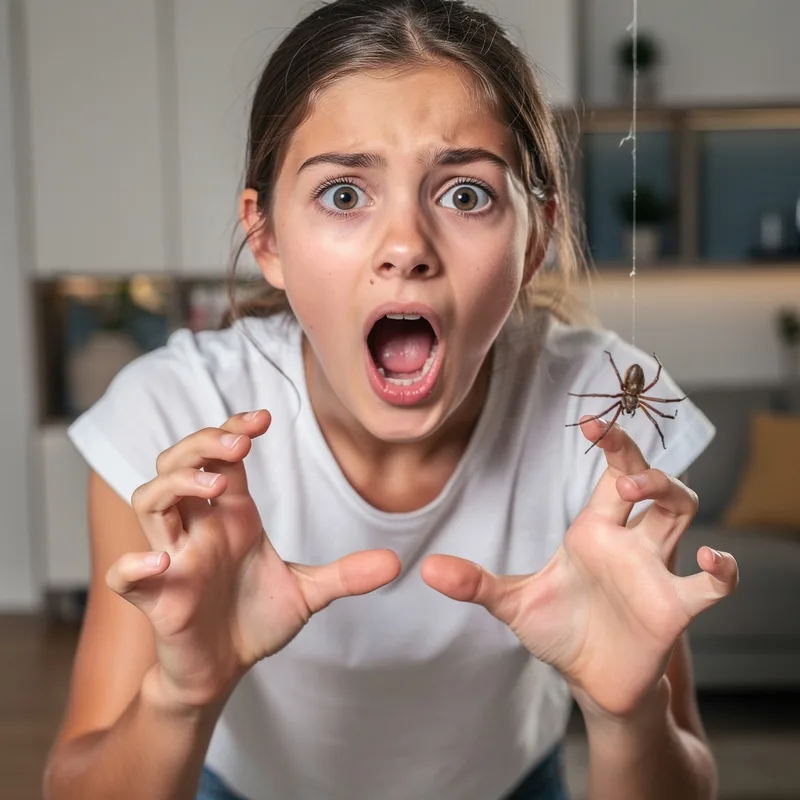
to shriek
 72
2.9
72
2.9

- verb
- /ʃriːk/
- When he regained his breath, he shrieked like a lonely bull.
Loading YouTube…
Watch on YouTubeThese are people who there's a type of person who who, who tears at wounds, long clothes and then shrieks about the pain they feel.
- These are people who there's a type of person who who, who tears at wounds, long clothes and then shrieks about the pain they feel.
- My sister and I, young and younger, shrieked until our mom lit the fat candle, it's plastic container painted to look like stained glass.
- A child who shrieks and screams on a plane because he didn't get the snack he wanted needs to be told that's not appropriate.
Examples
-
Then the crowd divides in two, and both groups run across the plaza, shrieking wildly.
Academic text (2009) -
The cat shrieked loudly when it saw the dog approaching.
-
l waved my arms in the air and shrieked for help.
-
The wind whined and shrieked, making it difficult for Roy to hear anything else.
Academic text (2007) -
Nina picked one up from the pile on the table, then shrieked a winner's shriek.
Fiction book (1991) -
The mother buried her face in nubbly bunting; the baby shrieked with joy.
Fiction book (1990) -
Good girl, don't do that, my mother shrieked, dropping the spoon, face draining of blood.
-
"Watch for rocks?" Jobber shrieked in dismay as she hoisted herself into the boat.
Fiction book (1991) -
There in that frozen wilderness a dream came true, and a lone voice shrieked into the solemn sky, "Eureka!
-
A gull, the first they'd seen in weeks, swooped low over the mastpole, shrieking loudly.
Fiction book (1990)
Synonyms
 ∞
1.0
∞
1.0
To make a loud high cry because of fear or pain
 ∞
1.0
∞
1.0
To shout loudly because you feel strong pain, anger or excitement
 108
1.8
108
1.8
Shout loudly to show a strong feeling, for example when surprised or hurt
 86
4.0
86
4.0
To make a loud, high, sharp sound that startles people
 48
2.6
48
2.6
To give a long loud cry because of pain, grief, or anger
 47
7.0
47
7.0
To make a high thin sound like a small bird or child
 16
4.7
16
4.7
To make a loud, harsh cry like a bird
 3
6.5
3
6.5
Make a very loud, long cry because you feel afraid, excited, or upset
 3
4.8
3
4.8
To make a very high, sharp sound often as a cry
 2
7.2
2
7.2
To make a loud high sound like a baby or bird
 1
2.1
1
2.1
To make a loud sudden cry because you are scared, hurt, or surprised

Make a sudden loud harsh cry from fear or pain
Antonyms


How Loud

Surface Forms
Etymology
The word shriek as a verb comes from that same old sound word that copied sharp, high cries, like when you scream or screech. So to shriek is to make a sudden, very high 'cry', often from fear, pain, or excitement.