
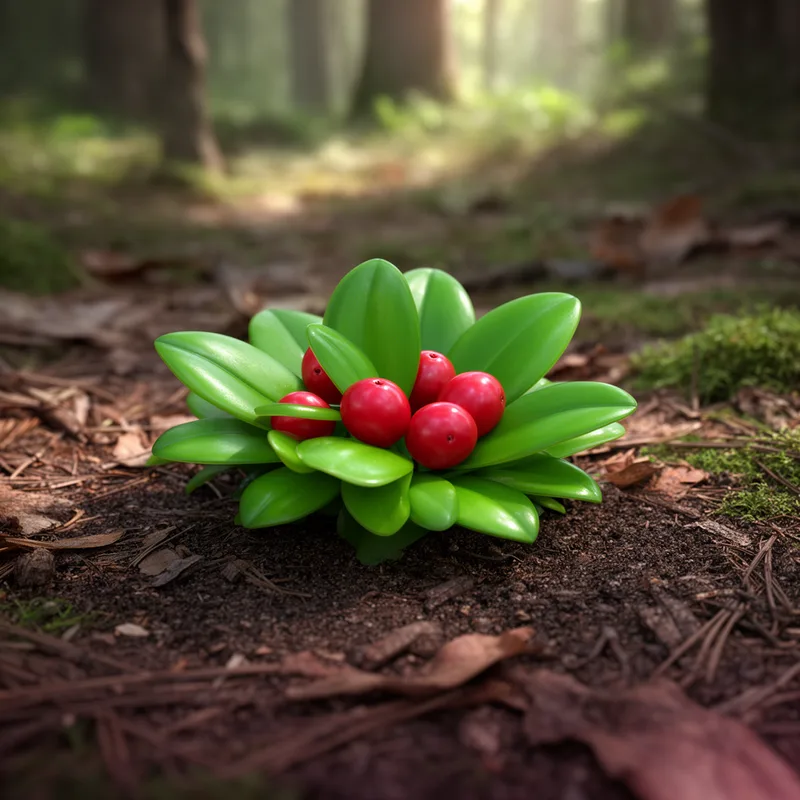
ground-berry

ground-berry

8.5
A small plant that grows close to the ground with red edible berries and scented leaves
  • noun
translation icon : fruto del suelo
  • Many hikers enjoy tasting the spicy red fruit of the ground-berry during late summer.

Examples

  • The ground-berry grows wild in many eastern North American forests, spreading its aromatic leaves close to the soil.

  • She picked some ground-berries from the bush.

  • Oil extracted from the leaves of the ground-berry is commonly known as wintergreen oil.

  • The ground-berry is often found in the wild.

  • Many hikers enjoy tasting the spicy red fruit of the ground-berry during late summer.

  • The ground-berry grows wild in many eastern North American forests, spreading its aromatic leaves close to the soil.

  • She picked some ground-berries from the bush.

Synonyms

wintergreen
vsground-berry
  • Specialized
2 8.2

A low evergreen bush with red berries and spicy-smelling leaves used to make oil

is the neutral small red berry shrub without aromatic oil use
teaberry
vsground-berry
  • US
1 9.9

A low bush with strong-smelling leaves and red berries that make a mint-like oil
is the edible red berry shrub without mention of aromatic oil use
groundberry
vsground-berry
9.9

A small plant that grows near the ground and has bright red berries

is the hyphenated variant spelling of the same name
grouse-berry
vsground-berry
  • US
9.9

A small bush with red berries that grows in northwest North America

refers to a similar low shrub but without regional specification
grouseberry
vsground-berry
  • US
9.9

A low bush with small red berries that grows on mountain slopes and in forests
is the general small low shrub description, not tied to mountains
grouse whortleberry
vsground-berry
  • US
9.9

A small bush that grows in northwest North America and has bright red berries

is the broader description of a low shrub with red fruit
small cranberry
vsground-berry
5.1

A low trailing plant of cold places that makes small red berries you can eat
is similar but not limited to cold or arctic regions
native cranberry
vsground-berry
  • Australian
7.4

A low spreading shrub with bright red flowers and small berries like cranberries
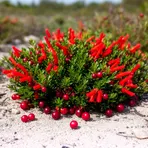
is the simpler edible red berry shrub without flower detail
Astroloma humifusum
vsground-berry
  • Specialized
9.9

A small low shrub from Australia with red flowers and small edible fruit like cranberries

is the basic low shrub with red berrylike fruit without succulent detail
Styphelia humifusum
vsground-berry
  • Specialized
9.9

A small Australian low-growing shrub with scarlet flowers and small cranberry-like fruit

is the general low shrub with edible red berries, not region specific
cranberry heath
vsground-berry
  • Australian
9.9

A low bush with bright red flowers and small edible fruits like cranberries

is the broader small red berry shrub lacking cranberry resemblance note
partridgeberry
vsground-berry
  • US
9.9

A small plant that grows along the ground with shiny green leaves and red berries

is similar but focuses only on low growth and edible red fruit
creeping wintergreen
vsground-berry
  • US
9.9

A low plant that spreads along the ground with shiny scented leaves, small white bell flowers, and red berries

is the plain edible red berry shrub without aromatic or spicy traits
Gaultheria procumbens
vsground-berry
  • Specialized
9.9

A low creeping shrub with white bell flowers, aromatic leaves, and red berries

is the general low shrub with edible red berrylike fruit without spice note
cowberry
vsground-berry
  • UK
9.1

A low evergreen bush in northern forests that has small tart red edible berries

is the broader edible red berry shrub without emphasis on tartness
foxberry
vsground-berry
9.9

A low bush with small red berries that people eat
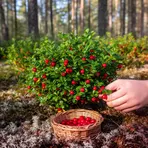
is the basic small red berry shrub without regional temperate label
lingberry
vsground-berry
9.9

A low green bush that grows in northern forests and has small red berries you can eat

is the simpler low shrub description without specifying temperate zones
mountain tea
vsground-berry
  • US
8.6

A low shrub with white bell-shaped flowers and fragrant leaves used for herbal tea

is the plain low shrub with edible red berrylike fruit without spice
coralberry
vsground-berry
9.6

A small bush that produces clusters of bright red berries

is the small low shrub with single or scattered red berrylike fruit
garden currant
vsground-berry
  • UK
4.8

A small garden bush that produces tart red berries for cooking and jam
is the wild low shrub description without cultivation or culinary focus
waxberry
vsground-berry
  • US
8.6

A shrub that loses its leaves each year and has white waxy berries

is the general edible red berry shrub without waxy berry detail
mealberry
vsground-berry
  • UK
9.9

A low evergreen shrub with small white flowers, bright red berries, and leaves that turn red in autumn

is the simple low shrub with edible red berries without seasonal leaf note
sand berry
vsground-berry
  • US
9.2

A low evergreen bush with small white flowers, red berries, and leaves that turn red in autumn
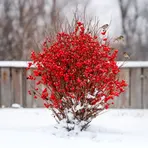
is the general low shrub with edible red fruit without leaf colour detail
winterberry
vsground-berry
  • US
8.2

A small bush with bright red berries that stay through winter

is the small red berry shrub without emphasis on berry persistence
checkerberry
vsground-berry
  • Specialized
9.9

A low shrub with shiny scented leaves, white bell-shaped flowers, and spicy red berries used to make wintergreen oil

is the basic edible red berry shrub without aromatic flower detail

How Low

groundcover
  • Specialized
1 4.7
ground-berry
8.5
shrub
44 1.0
tree
1.0

Surface Forms

ground-berry singular

Morphology

ground-berry = ground + berry (transparent) = ground + berry

A literal compound meaning 'a berry near/on the ground' formed from two common nouns, so learners can derive the sense from its parts.

Etymology

The word ground-berry comes from the simple words ground ('on the ground') and berry ('small fruit'). So imagine a little red fruit growing close to the earth, and that image explains why the name is used for a low shrub with edible, spicy berries.