
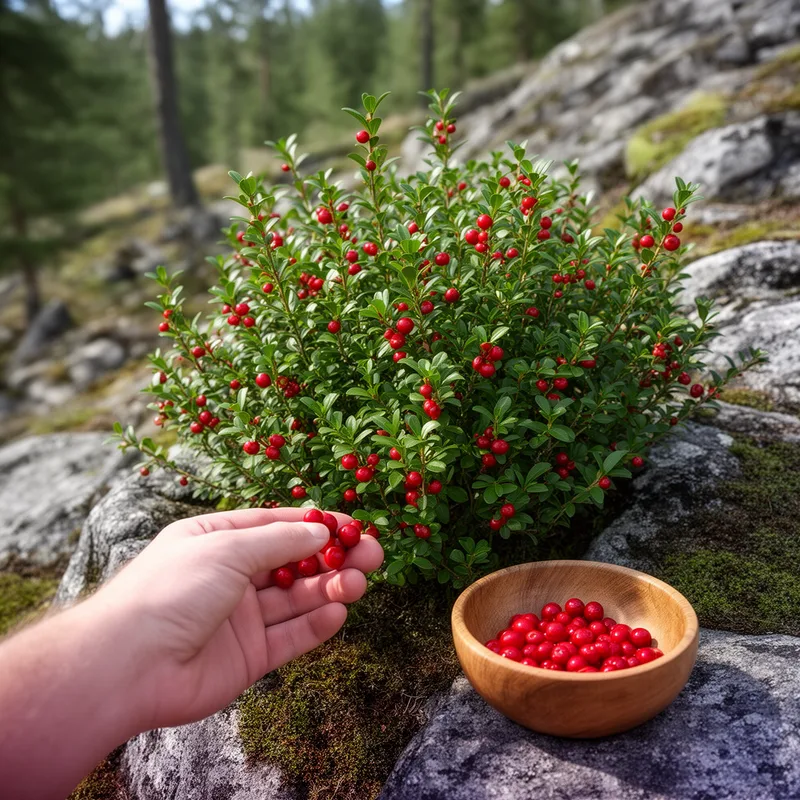
foxberry
- noun
- /ˈfɑksˌbɛri/
- The tart flavor of the foxberry makes it perfect for jams and desserts.
Examples
-
Look at that foxberry!
-
We picked foxberries from the shrubs growing along the rocky hillside.
-
In northern forests, animals often feed on the abundant foxberries in autumn.
-
I found a patch of foxberries in the forest.
-
During our hike in the forest, we picked some delicious foxberries to enjoy as a snack.
-
The garden is filled with foxberries, which attract many birds and wildlife.
-
In the northern regions, foxberries are a popular ingredient in jams and desserts.
Synonyms
 1
8.3
1
8.3

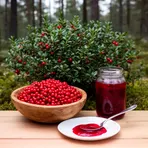
A small tart red berry from a low evergreen bush used in jams and sauces
 1
8.1
1
8.1
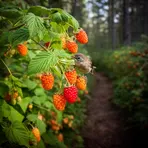
A bush with small orange or red berries that you can eat, like raspberries


 1
9.9
1
9.9
A low bush with strong-smelling leaves and red berries that make a mint-like oil
 1
9.5
1
9.5
A small bush with red berries that bears eat in cold places
 1
7.9
1
7.9
A small bush that makes red or orange edible berries used in food and medicine
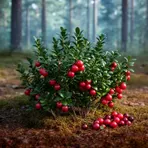
A low evergreen shrub that grows in northern forests and makes small red edible berries called lingonberries
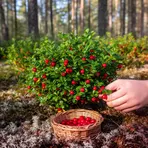
A low green bush that grows in northern forests and has small red berries you can eat
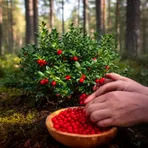
A small evergreen bush that makes red berries you can eat

A low evergreen shrub from northern places that makes small tart red berries

A low evergreen bush in northern forests that has small tart red edible berries
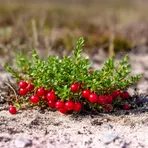
A small plant that grows near the ground and has bright red berries
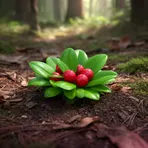
A small plant that grows close to the ground with red edible berries and scented leaves

A small plant that grows along the ground with shiny green leaves and red berries

A low evergreen plant with small white flowers and red berries found in northern regions

A low evergreen shrub with small white flowers, red berries, and leaves that turn red in autumn

A low evergreen shrub with small white flowers, bright red berries, and leaves that turn red in autumn

An evergreen low bush with small white flowers, red berries, and leaves that turn red in autumn
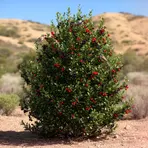
An evergreen shrub from the western United States that grows small red or black berries

An evergreen shrub with bright red berries used to decorate gardens

A shrub from East Asia with bright red berries that smell spicy

A low plant that stays green all year with shiny leaves and bright red berries that smell like mint

A low bush with small red berries that grows on mountain slopes and in forests
Surface Forms
Morphology
Etymology
Foxberry is formed from the two simple words fox ('the animal') and berry ('small fruit'), probably because foxes eat these bright red berries or the berries remind people of a fox's reddish colour. So the name points to a low shrub with small edible red berries.