
germplasm
 1
9.3
1
9.3

- noun
- /ˈdʒɜrmˌplæzəm/
- Specialized
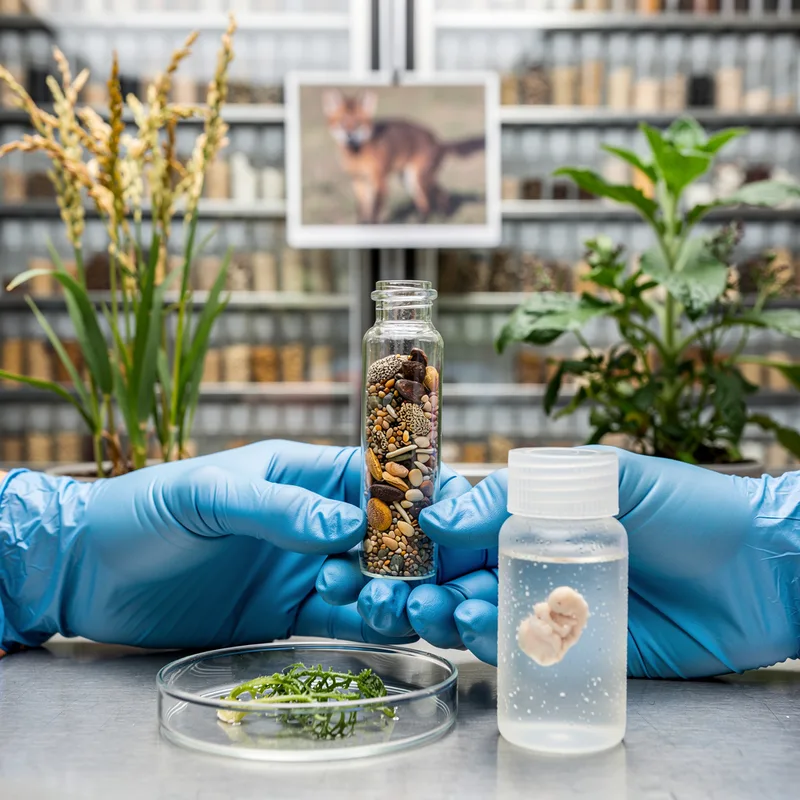
- By preserving germplasm in controlled conditions, we can maintain the genetic traits necessary for future breeding projects.
- germplasm collection
- germplasm repositories
- cotton germplasm
Examples
-
New, climate-adapted corn germplasm will do more than enhance corn yields and resistance to disease.
Academic text (1997) -
Called US119, this germplasm is available to develop new, CTV-resistant varieties.
Academic text (1994) -
It's too early to tell how valuable the newly collected apple germplasm is.
Academic text (1994) -
And yeah, we developed some germplasm that was good, that was high in glucorafidin.
-
The same composite germplasm was released as a variety named "Pete" in 1988.
Academic text (1994) -
"We think the germplasm will help us widen the genetic base of our collection.
Academic text (1994) -
More research will be needed on enhanced methods of pathogen detection and germplasm treatment to reduce the risk of disease transfer.
Academic text (1997) -
The selection criteria must include these traits for the development of improved germplasm and new cultivars.
Academic text (2013) -
There, scientists develop techniques such as freezing in liquid nitrogen to preserve the germplasm indefinitely.
Academic text (1995) -
Soybean germplasm line SS97-6946 has shown resistance to all major SCN HG types and has other desirable traits.
Academic text (2015)
Synonyms

Living material in reproductive cells that contains genes and passes traits to offspring
Surface Forms
Morphology
Etymology
The word germplasm comes from two parts: germ, meaning 'seed', and plasm, meaning 'something formed'. So germplasm is an easy way to think of the living 'seed' or material that carries traits passed on to the next generation.