

geocentric parallax
- noun
- /ˌdʒiːoʊˈsɛntrɪk ˈpærəˌlæks/
- Specialized
- By measuring the geocentric parallax of the Moon, astronomers can determine its distance from Earth.
Examples
-
The geocentric parallax of Venus can be measured during its transit.
-
The concept of geocentric parallax is important in calculating the positions of nearby planets.
-
Advances in technology have improved the accuracy of geocentric parallax measurements for various celestial bodies.
-
Astronomers often calculate geocentric parallaxes to determine distances to stars.
-
The astronomer calculated the geocentric parallax of Mars to determine its distance from Earth.
-
Using geocentric parallax, scientists can measure the position of stars from different points on the globe.
-
The phenomenon of geocentric parallax shows how an object's position seems to change based on your viewpoint on Earth.
Synonyms
 4
9.5
4
9.5

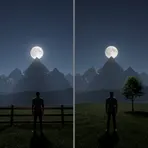
A change in where something looks when you see it from two places, for example the moon

A small shift in a star's or planet's position when seen from different places on Earth because Earth turns
Surface Forms
Morphology
The phrase combines 'geocentric' (relating to the Earth as the observational/reference point) with 'parallax' (an apparent displacement seen from different viewpoints), so the meaning — an apparent shift measured from Earth's perspective — is directly derivable from the constituents. Though the term is technical, its composition is transparent and predictable to a learner who knows both words; many languages build the same concept compositionally.
Etymology
The term geocentric parallax comes from the parts geo- meaning 'Earth' and parallax meaning a small shift in position. Imagine looking at the Moon from two different places on Earth and seeing it move a little against the stars. That's why geocentric parallax means the apparent shift you see when you measure a body's position from 'Earth'.