
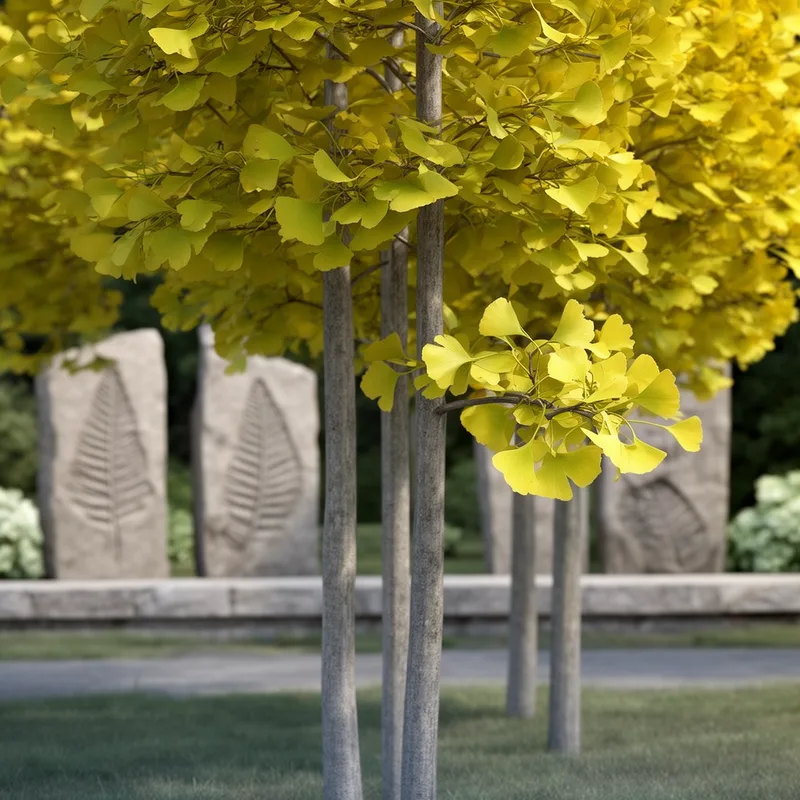
genus Ginkgo
- noun
- /ˈdʒɛnəs ˈɡɪŋkoʊ/
- Specialized
- Only one species, Ginkgo biloba, remains within the genus Ginkgo today.
Examples
-
The genus Ginkgo is considered a living fossil, with no close living relatives.
-
Botanists study the genus Ginkgo to understand ancient plant evolution.
-
The genus Ginkgo includes only one species.
-
Many people believe that the genus Ginkgo is over 200 million years old.
-
Botanists study the genus Ginkgo to understand ancient plant evolution.
-
Only one species, Ginkgo biloba, remains within the genus Ginkgo today.
-
The genus Ginkgo is considered a living fossil, with no close living relatives.
Surface Forms
Morphology
The phrase simply combines the noun 'genus' (a taxonomic rank) with the name 'Ginkgo', so its meaning — the taxonomic group named Ginkgo — is directly derivable from the constituents. Taxonomic naming patterns (rank + name) are regular and cross-linguistically common, so a learner who knows both words will readily understand this usage.
Etymology
Genus Ginkgo comes from an old Japanese word that sounded like 'ginkgo' and was taken to mean 'silver apricot' because the tree's fruit looks a little like a small apricot. So genus Ginkgo is easy to remember: genus means a small 'group' and Ginkgo is the one special tree that belongs to that group.

