
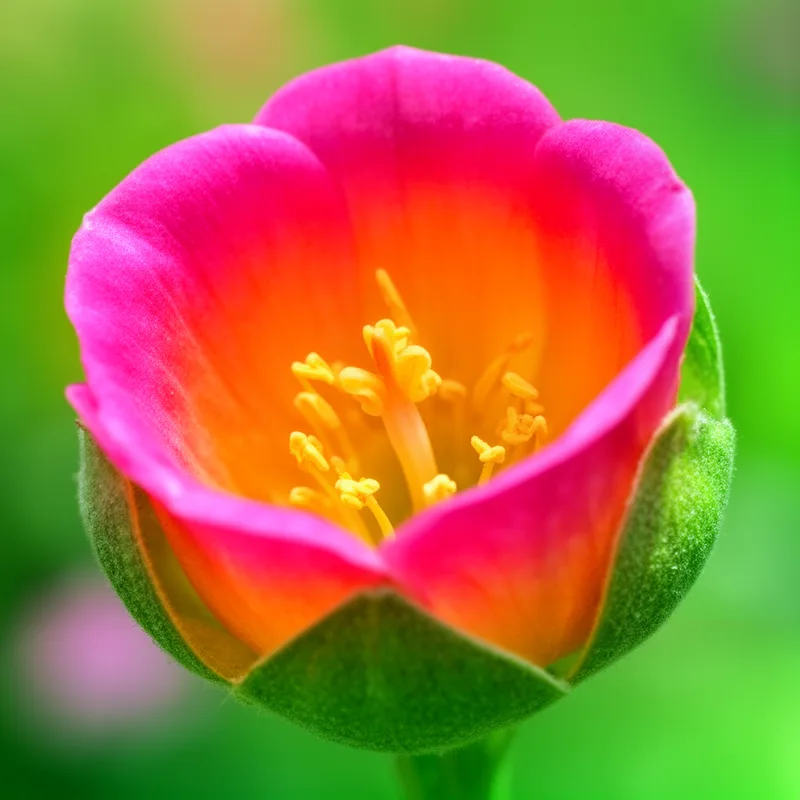
floral envelope
- noun
- /ˈflɔrəl ˈɛnvəloʊp/
- Specialized
- The floral envelope protects the reproductive parts of the flower.
Examples
-
The brightly colored floral envelope attracts pollinators to the plant.
-
In botany class, we examined the structure of the floral envelope under a microscope.
-
Damage to the floral envelope can affect a flower's ability to reproduce successfully.
-
Many plants have a colorful floral envelope to attract pollinators.
-
The brightly colored floral envelope attracts pollinators to the plant.
-
In botany class, we examined the structure of the floral envelope under a microscope.
-
Damage to the floral envelope can affect a flower's ability to reproduce successfully.
Synonyms
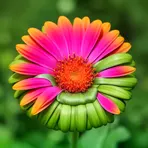
Outer parts of a flower that include the sepals and petals and surround the centre
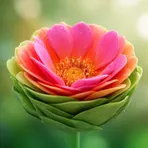
The outer parts of a flower, like sepals and petals, that protect its middle
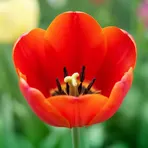
The outer parts of a flower that surround its male and female parts

Outer part of a flower with petal-like parts that surround the center
Surface Forms
Morphology
The meaning ‘collective outer parts of a flower’ is directly derivable from combining 'floral' (relating to flowers) with 'envelope' (a covering layer), so the idea of a flower-related covering is transparent. Although the sense is botanical and somewhat technical, the compositional logic is straightforward and likely comprehensible to a B1 learner who knows both constituents.
Etymology
The term floral envelope comes from the image of the flower's outer parts acting like an envelope that wraps its inner parts. These outer parts, like petals and sepals, surround and protect the stamens and pistils, so today the phrase means 'the parts that enclose the flower's parts that make seeds'.

