

to flaw
 6
4.6
6
4.6

- verb
- /flɔ/
- The prior decisions, being flawed, are not actually law, and therefore are not entitled to any precedential value.
Loading YouTube…
Watch on YouTubeLike trust it, go with it, practice flawing with it and see what happens.
- Like trust it, go with it, practice flawing with it and see what happens.
- I flawed this judge for this ruling, but it's a little sad that this is what counts as good news.
Examples
-
The last-minute changes to the project plan could flaw the entire execution.
-
Development theory is further flawed for trading off democracy for development.
Academic text (1993) -
The system may be flawed at times, Mr. Feb-blueberry.
-
Was the social vision of these men flawed by their own quest for upward mobility and professional success?
Academic text (1991) -
The program has been poorly funded and administratively flawed from the beginning.
Academic text (2002) -
Nevertheless, the Christian socialist tradition has been flawed in crucial respects.
Academic text (1995) -
Obama Campaign: The accountability measures were flawed and actually led to states lowering standards.
Blog text (22) -
As Congress has been inattentive to larger lessons from the courts, it has designed fundamentally flawed statutes.
Academic text (2002) -
High-stakes testing is fatally flawed from its inception and has done more harm than good.
Blog text (13) -
The privatization of the Russian economy, though deeply flawed, shattered the Soviet-era bureaucracy's hold on daily life.
Academic text (2000)
Synonyms
 3
5.5
3
5.5
To make something look less perfect or attractive
Antonyms

Compounds

- Literature
1
7.8
A weak part of a main character that causes their ruin in a serious story
- Specialized
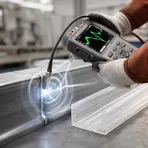
A device that uses sound too high to hear to find hidden cracks in metals and plastics
How Damaging

Surface Forms
Etymology
The verb flaw comes from the same old Norse root flaga, which meant 'to chip' or 'break off', so to flaw something is to make it imperfect by creating a fault.