
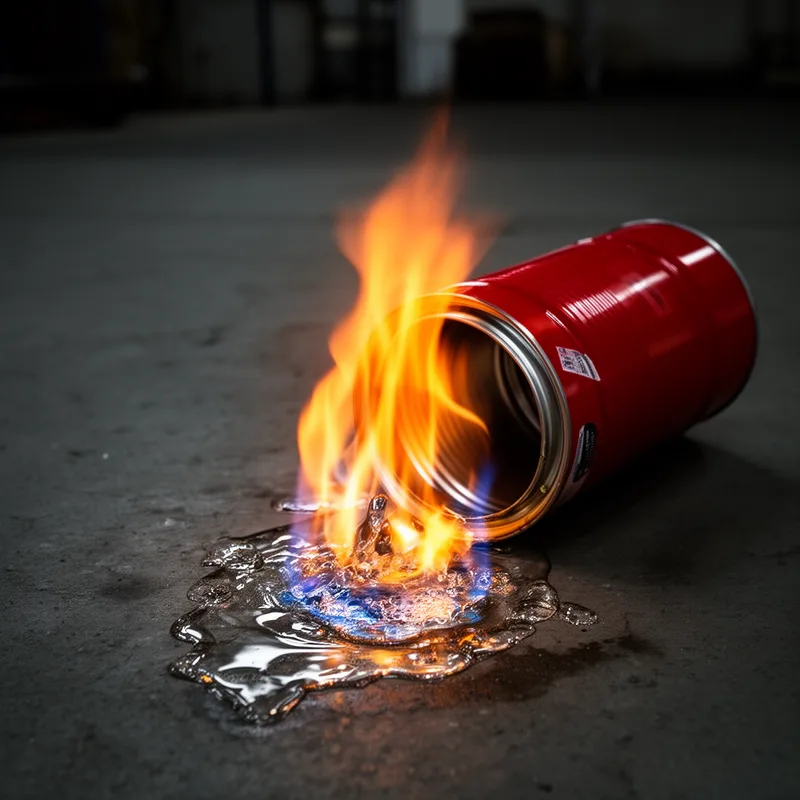
flammable
 41
2.8
41
2.8

- adjective
- /ˈflæməbl/
- Charcoal is likely to be chosen as a substitute because it is light, flammable, and easy to store.
- highly flammable
- a flammable material
- flammable substances
Loading YouTube…
Watch on YouTubeIt was regulations about flammable pyjamas.
- It was regulations about flammable pyjamas.
- Business is booming, but it's a lonely life selling flammable chemicals door to door.
- A hay Bale is just a soft little bitty mountain that is flammable and that horses will eat.
- Well, this isn't mineral oil, nor is it some flammable alternative.
- Imagine that someone sat by themselves on a rock in a non flammable part of the world and smoked themselves to death.
- It knew it needed to take steps, including clearing the highly flammable grasses from around the electric wires.
- OK, Obviously it's very flammable, right?
- And this was an incredible flammable substance that that just kept on burning, could even burn on water.
Examples
-
If there is a loss of vacuum, a highly flammable oil and air fog can form.
Academic text (1993) -
The man says this cavern is full of highly flammable methane gas.
Fiction book (2002) -
Sugar is flammable and may result in smoke and fire.
-
So hydrogen is a flammable gas.
-
And, of course, in the garage there are other highly flammable materials we take for granted.
Academic text (2007) -
It's colorless, flammable, and very poisonous.
-
Hydrocarbons are excellent refrigerants, but they are also flammable and explosive.
Academic text (1998) -
It knew it needed to take steps, including clearing the highly flammable grasses from around the electric wires.
-
It's important to keep flammable items, like gasoline, in a safe storage container.
-
You should always check for flammable materials before starting a fire.
Synonyms
 18
5.1
18
5.1
Easily catches fire and burns
 12
8.3
12
8.3
Able to start fires and burn very quickly
 3
4.3
3
4.3
Easily catches fire and burns quickly
 2
5.2
2
5.2
Easily set on fire and burns quickly
 1
2.3
1
2.3
Able to catch fire and be destroyed by fire


 1
8.2
1
8.2
Able to make something start burning or burn more easily

Easily catches fire and burns very quickly

Able to catch fire and burn easily
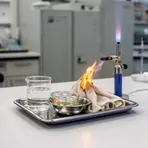
Able to catch fire and burn

Antonyms


Compounds

How Flammable

Surface Forms
Morphology
Etymology
The word flammable comes from the Latin root flamma, which means 'flame'. With the ending -able meaning 'able to', flammable literally means 'able to catch fire', which is why we use it for things that burn easily.