

fine-leaved
- adjective
- The fine-leaved fern adds elegance to the garden.
Examples
-
Some fine-leaved plants thrive in sandy, well-drained soils.
-
The fine-leaved fescue is popular in low-maintenance lawns.
-
Many fine-leaved herbs have a delicate appearance in the garden.
-
I love the fine-leaved plants in my home.
-
Many fine-leaved herbs have a delicate appearance in the garden.
-
Some fine-leaved plants thrive in sandy, well-drained soils.
-
The fine-leaved fescue is popular in low-maintenance lawns.
Synonyms
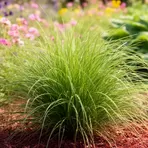
Having thin, divided leaves that give a delicate look

Having thin, divided leaves that look like a fern
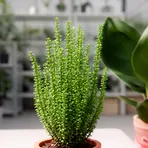
Having very small leaves in some plants

Having small leaves on a plant or tree
Antonyms
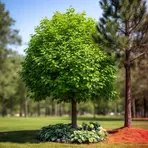
How Narrow

Surface Forms
Morphology
Etymology
Fine-leaved comes from joining fine meaning 'thin' or 'delicate', and -leaved meaning 'having leaves'. A helpful way to remember it is to imagine a plant with leaves like threads, so fine-leaved means a plant with slender, delicate, or narrow leaves.

