

littleleaf
- adjective
- /ˈlɪtəlˌliːf/
- Specialized
- The littleleaf plant thrives in dry conditions.
Examples
-
The littleleaf linden is popular for its compact size and attractive foliage.
-
Gardeners often choose littleleaf varieties for hedges that require minimal trimming.
-
This species is known for its littleleaf appearance compared to other members of its genus.
-
A littleleaf variety of the shrub is very popular.
-
The gardener chose littleleaf varieties for their compact size and unique appearance.
-
In the botanical garden, visitors admired the littleleaf shrubs that added character to the landscape.
-
The littleleaf oak is known for its small, intricate leaves that provide a delicate look.
Synonyms
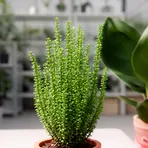
Having very small leaves in some plants
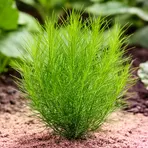
Having thin, narrow leaves
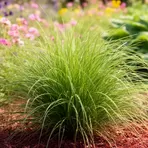
Having thin, divided leaves that give a delicate look
Antonyms

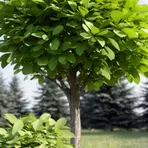
How Small-Leaved
- Specialized

Surface Forms
Morphology
Etymology
The word littleleaf combines little ('small') and leaf ('leaf'), so it describes plants or plant parts with very small leaves. That's why gardeners call a variety littleleaf when its leaves look compact and need less trimming.

