
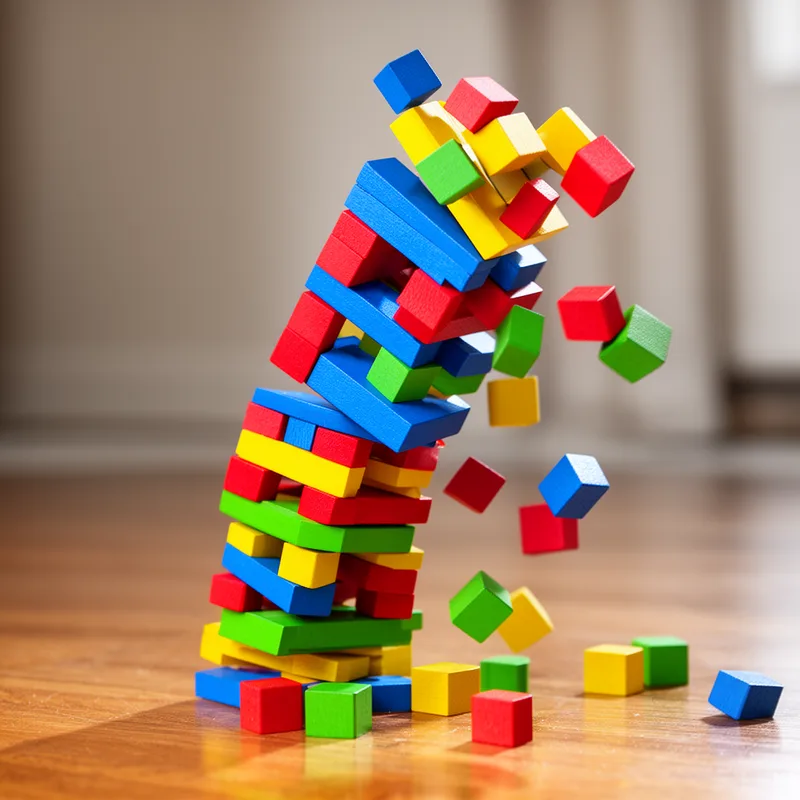
to fall over
 67
1.0
67
1.0

- phrasal verb
- /fɔl ˈoʊvər/
- I tripped on the uneven pavement and fell over onto the grass.
- tripped and fell over
- keep falling over
- just fell over
Loading YouTube…
Watch on YouTubeSteven Gerrard falls over and gives them the title.
- Steven Gerrard falls over and gives them the title.
- And Grace was so drunk that she fell over on the way out.
- Yes, I see the Honda robot has gotten a little smaller and doesn't fall over quite so quickly.
- And just as fate would have it, his horse hits a ditch, falls over, he breaks his leg.
- The idea is to dance and get driven and fall over onto people drunk.
Examples
-
Trembling with exhaustion, Hawthorne finally fell over and lay down to rest.
Fiction book (1990) -
We hear a baby carriage roll through Sam's feet, and he nearly falls over trying to avoid it.
Fiction book (1990) -
Yeah, I know I fell over and hit my head, but...
-
- l fell over in the park.
-
Oh, I fell over again!
-
I suddenly fell over, and I wake up, and I'm on the ground.
-
I feel like we're going to fall over, aren't we?
-
One day, Mum felt dizzy and she fell over.
-
I fell over backwards.
-
Wendy heard a loud bang, felt something hard punch her in the chest, and fell over backwards.
Fiction book (1991)
Synonyms
 250
1.0
250
1.0
Suddenly move from a standing position to the ground or a lower level
 219
2.2
219
2.2
To cause someone to stumble or lose balance
 108
3.5
108
3.5
To fall forward or tip onto the ground
 93
4.1
93
4.1
To fall over or make something fall over, often suddenly when it loses balance
 88
2.9
88
2.9
To fall or roll suddenly, often turning over
 49
1.9
49
1.9
Lose your balance when your foot hits or catches on something while walking
 27
3.0
27
3.0
Make something fall from a standing position
 16
5.7
16
5.7
Fall down suddenly because you faint or feel very weak
 13
3.6
13
3.6
To move quickly backwards and lose balance so you land on something
 7
5.4
7
5.4
To fall suddenly, for example by tripping or by losing value
 5
4.1
5
4.1
Lose your balance and fall on wet or muddy ground
 1
6.8
1
6.8
To stumble or fall because you are clumsy


 1
5.6
1
5.6
To lose balance and almost fall
 1
9.1
1
9.1
To lose your balance and land on your backside in an awkward or embarrassing way
 1
9.9
1
9.9
To fall and turn over in a sudden, clumsy way
 1
9.9
1
9.9
To fall in a clumsy way and land head over heels

To drop suddenly onto the floor and lie face down or stretched out

To fall or sit down suddenly and hit your bottom

To make something that stands fall over
Antonyms


How Severe
579
3.9
 88
2.9
85
1.4
67
1.0
8
1.0
129
1.6
88
2.9
85
1.4
67
1.0
8
1.0
129
1.6
Surface Forms
Morphology
The meaning 'to lose your balance and fall to the ground' is directly derivable from combining 'fall' (to drop/move downward) with the particle 'over', which here signals tipping or a movement that ends up on one's side or the ground. This verb + particle composition is a common, predictable pattern in English (and mirrored in many languages), so a B1 learner who knows both constituents will typically infer the MWE's meaning.
Etymology
Fall over gives a simple picture: fall means to move down and over shows ending on the side, like a chair that loses its balance and falls to the ground. That's why fall over means 'to lose your balance and fall to the ground'.