

to fault
 50
4.3
50
4.3

- verb
- /fɔlt/
- You should not fault her for making that mistake; everyone messes up sometimes.
- fault someone for failing
- hard to fault
- critics fault
Loading YouTube…
Watch on YouTubeSo, you know, I don't fault them for that, but oh good.
- So, you know, I don't fault them for that, but oh good.
- And you know, we don't, you know, we can't, we can't always fault somebody if they're sick.
- Now, considering your heritage, you fault your promoter.
- It smells as if I've faulted coconuts and I enjoyed that scent.
Examples
-
None of us would fault you for trying to get it off your chest.
-
Well, I must say, I can't fault your German.
-
Know that no one's going to fault you for not leaving right away.
-
- Then no one can fault me.
-
I'm not gonna fault you for doing so.
-
You can't fault him on that.
-
I couldn't fault him for it.
-
I won't fault you there.
-
Anyway, no, I don't think anyone can fault you for that.
Fiction book (2000) -
I don't fault your passion, at all.
Synonyms
 ∞
1.6
∞
1.6
To say that someone or something caused something bad
 701
3.3
701
3.3
To say what is wrong with someone or something
 81
3.7
81
3.7
To say someone or something caused a problem
 60
4.8
60
4.8
To say someone caused a problem when they did not
 46
4.8
46
4.8
To blame someone when it is not clear who is at fault
 33
7.6
33
7.6
To scold someone strongly for doing something wrong
 18
6.3
18
6.3
To scold someone strongly for a mistake
 15
4.4
15
4.4
To say something is wrong or not good, often about small things
 4
4.1
4
4.1
To unfairly blame someone for problems caused by others


 1
6.9
1
6.9
To say someone caused a problem or is at fault

To blame someone for doing something wrong
Antonyms


Idioms




Phrasal Verbs
Compounds


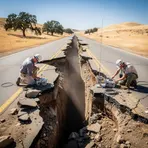


- Specialized
1
4.3
A system where each driver's own plan pays for their crash costs no matter who caused it
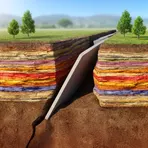
- Specialized
1
7.0
A sloping break in the Earth's crust where the upper side moves down past the lower side
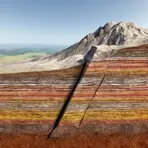


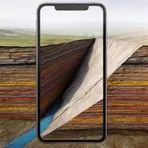
- Specialized
A sloping break in rock where the upper block moves down because of its weight


- Specialized
Car insurance where each driver gets money from their own insurance company after a crash, no matter who caused it
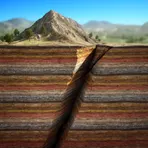
- Specialized
A break in rock where one side moves up when the land is pushed together

- Specialized
A break in rock where strong sideways force pushes one rock layer up and over another

- Specialized
A break in the ground where two rock blocks move past each other horizontally
How Accusatory

Surface Forms
Etymology
Fault comes from Old French faute, from a Latin verb that meant 'to fail', like the English word fail. To fault someone is to say they 'failed' or to blame them, so the verb keeps the sense of pointing to a failure.