

extrauterine gestation
- noun
- /ˌɛkstrəˈjuːtərɪn dʒɛˈsteɪʃən/
- Specialized
- She was diagnosed with an extrauterine gestation last week.
Examples
-
Surgery is often required to resolve an extrauterine gestation and protect the patient's health.
-
An extrauterine gestation can pose serious health risks.
-
Awareness of the risks associated with extrauterine gestation is important for early detection and treatment.
-
The doctors diagnosed her with an extrauterine gestation after noting the abnormal pain and symptoms.
-
Awareness of the risks associated with extrauterine gestation is vital for ensuring early diagnosis and appropriate treatment.
-
The medical team performed a procedure to remove the embryo during an extrauterine gestation to safeguard the patient's well-being.
-
Doctors monitored her closely after diagnosing an extrauterine gestation due to her unusual symptoms.
Synonyms

 6
6.4
6
6.4

A pregnancy when the fertilized egg grows outside the womb, usually in a fallopian tube
 1
7.4
1
7.4
A pregnancy where the fertilized egg grows in a Fallopian tube instead of the womb

A pregnancy when the baby starts to grow outside the womb, usually in a tube that leads from the womb

A pregnancy in which the baby grows outside the womb, usually in a fallopian tube
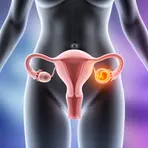
A pregnancy in which the fertilised egg attaches and grows outside the uterus

A pregnancy in which the embryo grows outside the womb, often in a fallopian tube
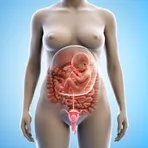
A rare pregnancy in which the baby grows in the abdomen instead of the womb

A rare pregnancy when the fertilized egg grows in an ovary instead of the womb
Surface Forms
Morphology
The meaning is directly composed from 'extrauterine' (outside the uterine cavity) + 'gestation' (fetal development/pregnancy), so a learner who knows both constituents can infer a pregnancy occurring outside the uterus. This is a literal, compositional medical term and follows predictable cross-linguistic formation, making it transparent.
Etymology
The medical term extrauterine gestation breaks into extra and uterine, meaning 'outside' the 'womb', so it describes a pregnancy where the baby starts growing outside the mother's womb.