
eccyesis
- noun
- /ˌɛkˈsaɪsɪs/
- Specialized
- The ultrasound revealed an eccyesis rather than a normal intrauterine pregnancy.
Examples
-
Doctors suspected an eccyesis after the patient reported severe abdominal pain early in pregnancy.
-
An eccyesis can be life-threatening if not diagnosed and treated promptly.
-
Is eccyesis common in today's society?
-
What are the risks associated with eccyesis?
-
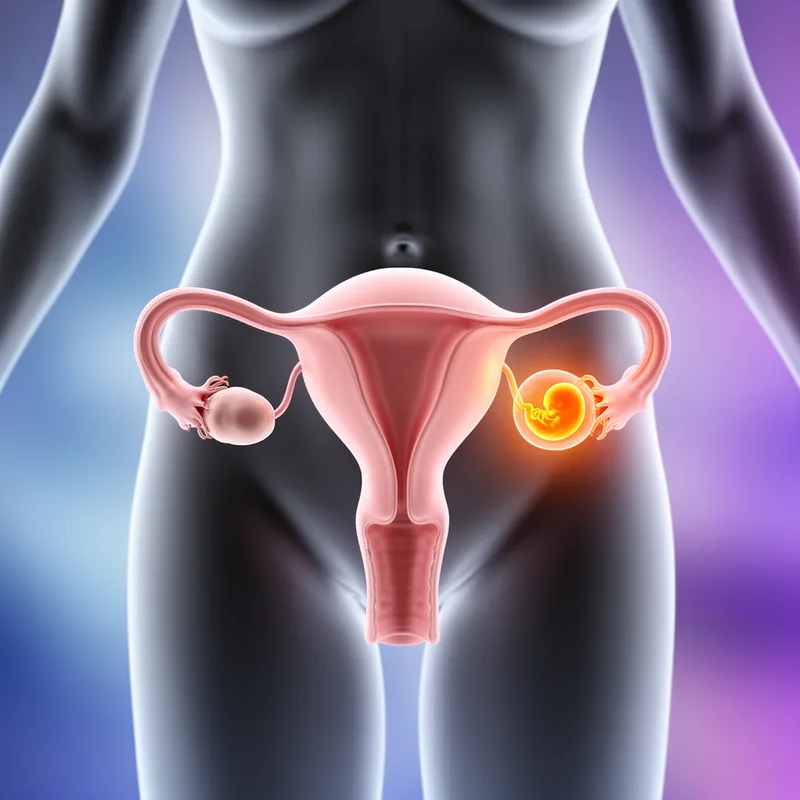
An eccyesis occurs when a fertilized egg implants outside the uterus, often in a fallopian tube.
-
The doctor explained that an eccyesis can lead to serious complications if not properly monitored.
-
Symptoms of eccyesis may include abdominal pain and missed periods, prompting essential medical evaluation.
Synonyms

 6
6.4
6
6.4

A pregnancy when the fertilized egg grows outside the womb, usually in a fallopian tube

A pregnancy when the baby starts to grow outside the womb, usually in a tube that leads from the womb

A pregnancy in which the baby grows outside the womb, usually in a fallopian tube

A pregnancy when the developing baby grows outside the womb, usually in a fallopian tube

A pregnancy in which the embryo grows outside the womb, often in a fallopian tube
Surface Forms
Etymology
Eccyesis comes from Greek parts ec- meaning 'out' and -cyesis meaning 'pregnancy', like the 'out' in exit. So, an eccyesis is a 'pregnancy' that happens 'out' of the womb, which is why it means an embryo developing outside the uterus.