
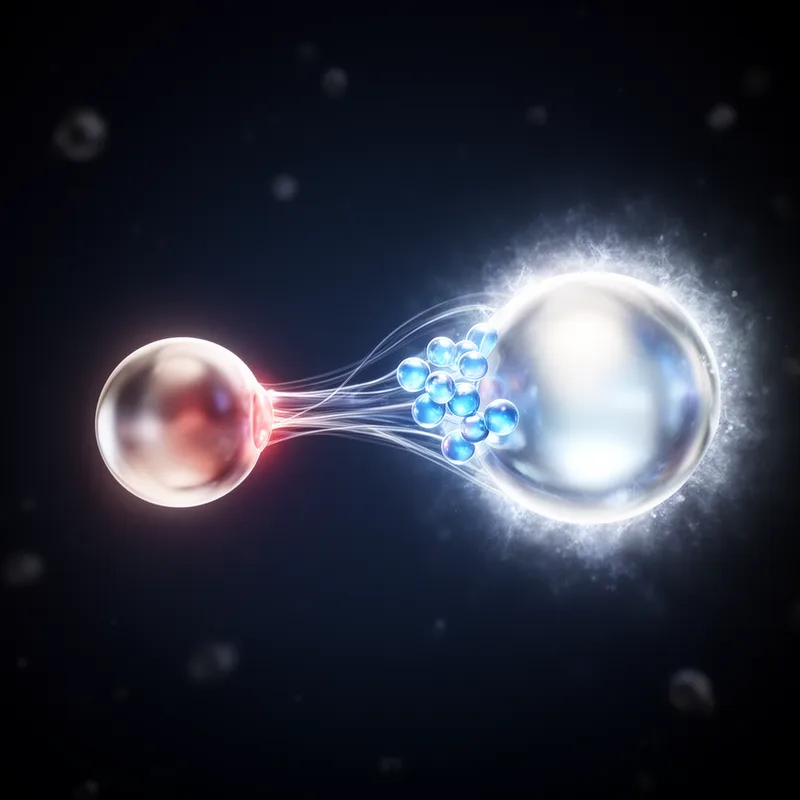
electronegative
- adjective
- /ɪˌlɛktrəˈnɛɡətɪv/
- Specialized
- Among the four halogens, fluorine is the most electronegative and iodine the least.
Loading YouTube…
Watch on YouTubeSo it's going to be the structure that has the negative charge on the most electronegative atom is the right structure.
- So it's going to be the structure that has the negative charge on the most electronegative atom is the right structure.
Examples
-
And it makes sense that that formal charge is on the least electronegative atom.
-
Now carbon is more electronegative than hydrogen, right?
-
It, it sulfur is not as electronegative as oxygen, right?
-
They are between hydrogens that are on electronegative elements such as oxygen.
-
Fluorine is the most electronegative element, making it highly effective at attracting electrons.
-
In chemical reactions, atoms that are more electronegative tend to gain electrons from less electronegative atoms.
-
When comparing elements, chlorine is less electronegative than fluorine, but more than bromine.
Synonyms

 2
4.6
2
4.6

A particle or object that has more electrons than protons

A molecule or atom that attracts electrons and reacts with electron-rich substances
Antonyms
How Electronegative

Surface Forms
Morphology
Etymology
Electronegative begins with electro-, as in electric or electron, words about electric charge, and ends with negative, meaning 'minus' or 'having a minus charge'. So an electronegative atom pulls electrons toward itself and becomes partly negative.