
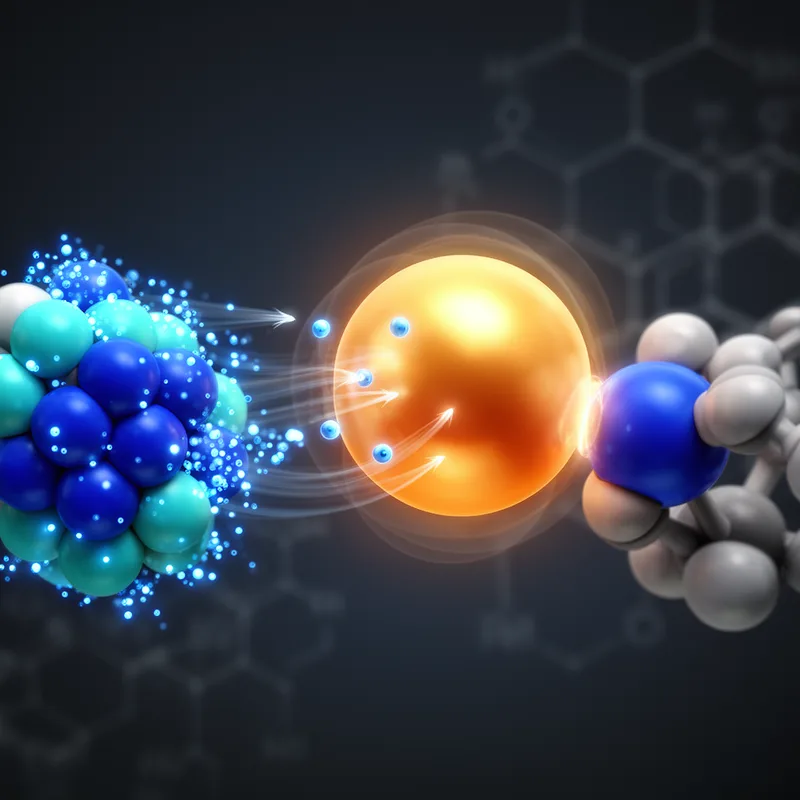
electrophilic
- adjective
- /ɪˌlɛktrəˈfɪlɪk/
- Specialized
- So now we are going to take our ferrocene and we're going to do a Friedel Crafts electrophilic aromatic substitution reaction.
Examples
-
DIAGRAM: Scheme VII; Method for the incorporation of germanium into PHS using electrophilic aromatic substitution.
Academic text (2001) -
And then this is a good very active for electrophilic substitution.
-
And you remember this contrasts with C double bond C, where the addition reactions are electrophilic, not nucleophilic.
-
Glutathione S-transferases are a family of enzymes for detoxification by catalyzing the conjugation of many hydrophobic and electrophilic compounds with reduced glutathione.
Academic text (2016) -
In electrophilic reactions, the positively charged ion attracts electrons from electron-rich substrates.
-
The electrophilic nature of the molecule makes it reactive towards electron-donating compounds.
-
During the electrophilic addition of bromine to an alkene, the double bond opens up to form a brominated product.
Synonyms

Pulls electrons toward an atom or molecule
Surface Forms
Morphology
electrophilic = electrophile (semi-transparent) = electro + phile + ic
The word is formed from a technical lexical base and the adjective-forming suffix -ic, so its meaning is partly recoverable but specialized.
Etymology
Electrophilic breaks into electro- meaning 'electron' or 'electric' and -philic meaning 'loving', the same idea as in hydrophilic ('water-loving'). So, an electrophilic molecule is 'electron-loving' and is drawn to substances that have extra electrons, which explains why it reacts with them.

