

electrical shunt
- noun
- /ɪˈlɛktrɪkəl ʃʌnt/
- Specialized
- The technician added an electrical shunt to the circuit to measure the current safely.
Examples
-
An electrical shunt is commonly used in automotive battery monitoring systems.
-
The technician installed an electrical shunt to prevent overload.
-
By installing an electrical shunt, engineers were able to prevent the sensitive equipment from overheating.
-
An electrical shunt helps to redirect excess current.
-
An electrical shunt is commonly used in automotive battery monitoring systems.
-
The technician added an electrical shunt to the circuit to measure the current safely.
-
By installing an electrical shunt, engineers were able to prevent the sensitive equipment from overheating.
Synonyms

 10
7.2
10
7.2

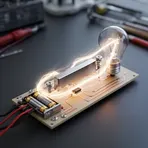
Wire placed next to a part in a circuit to send current around it
 1
8.4
1
8.4
A device that lets electric current flow around part of a circuit
How Conductive

Surface Forms
Morphology
The noun is a straightforward composition: 'electrical' specifies the domain (pertaining to electricity) and 'shunt' denotes a conductor that bypasses or diverts current, so the combined meaning is directly inferable as a conductor used to divert electric current. This modifier + noun pattern is transparent and cross-linguistically common in technical vocabulary, so a B1 learner who knows both constituents would understand the MWE.
Etymology
Electrical shunt comes from the word shunt, which means 'send to the side'. Imagine a river with a small side channel that takes away some water; an electrical shunt is a path with low resistance that takes some electric current away to protect or measure the rest of the circuit, so the name shows its job of 'diverting' electricity.