

shunt
 1
8.4
1
8.4

- noun
- /ʃʌnt/
- Specialized
- This shunt allows excess current to bypass the main circuit, preventing overheating.
- a power shunt
Examples
-
And I think this wire coming from the inverter should be going to the shunt instead of running directly to the battery.
-
The technician connected the shunt to the battery to help manage the electric current.
-
So this shunt does go to the six pin.
-
If needed, any cell can be bypassed by shunt busbars.
Blog text (18) -
So that covers the small components for the shunt resistors and the fuses.
-
Units are supplied with a shunt calibration resistor.
Academic text (2005) -
So both SCAPS and Amps allows for that, and at the same time, SCAPS also allows for modeling with your shunt resistance and series resistance.
-
To monitor the system properly, install a shunt alongside the main power source.
Synonyms
 10
7.2
10
7.2
Wire placed next to a part in a circuit to send current around it
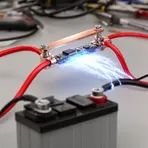
A wire that has low resistance and is placed across a device to carry some electricity away
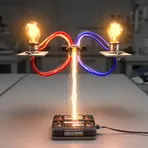
An electric path where current splits into more than one branch and then joins again
Compounds

- Specialized

 1
7.9
1
7.9
Surgical connection between the vein from the belly and the main vein so blood can bypass the liver
- Specialized
A wire that has low resistance and is placed across a device to carry some electricity away
- Specialized
An electric path where current splits into more than one branch and then joins again
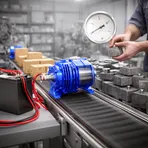
- Specialized
A motor that runs on direct current and keeps a steady speed when load changes
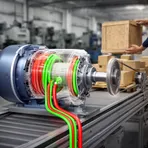
- Specialized
A direct current motor whose parts are connected in parallel to keep a steady speed when the load changes
How Much
- Specialized
5
4.2

- Specialized
1
8.4
- Specialized
10
7.2
- Specialized
1
4.6
Surface Forms
Etymology
Shunt comes from an old English word meaning 'to turn aside', giving the image of moving something away. That's why an electrical shunt is a low-resistance path that 'diverts' part of an electric current onto another route.