

to shunt
 1
7.2
1
7.2

- verb
- /ʃʌnt/
- Jargon
- The conductor skillfully shunted the train onto the secondary track to allow the express service to pass.
Examples
-
From the west came the sound of a switch engine shunting cars to a siding, a train being assembled for the long night haul to the border.
Fiction book (1999) -
On the platform, wagons were being shunted and locomotives were whistling.
Fiction book (1991) -
You see that the switch, there's a switch that would would shunt it off onto another track where one person is.
-
And then it was as if life said, you're on this path and I'm going to shunt you onto a new trajectory.
-
The planes with enough fuel... ..have been shunted to Atlanta, Memphis and Nashville.
-
Down below in the valley, he could see the brown ribbon of the river; he heard the trains clank as they were shunted in the station.
Fiction book (1997) -
As I boarded a vaporetto, I could literally feel the boat shudder as it shunted from the dock.
Fiction book (1999) -
"He's gone to work? Just went out the door?" There were shouts of children playing road hockey on a side street, and far away a train shunted with a thud that was muffled by the snow.
Fiction book (1993) -
And as if in punishment he had been shunted onto this side track, a track occupied by others like him: Mr. Toobman, who taught history, a sour, balding homosexual who smelled of his lemony soap;
Fiction book (1999) -
After the delay, the railway operator decided to shunt the freight cars onto a different line for maintenance.
Antonyms

Compounds

- Specialized

 1
7.9
1
7.9
Surgical connection between the vein from the belly and the main vein so blood can bypass the liver
- Specialized
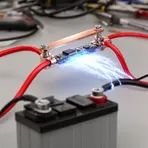
A wire that has low resistance and is placed across a device to carry some electricity away
- Specialized
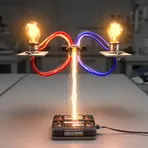
An electric path where current splits into more than one branch and then joins again
- Specialized
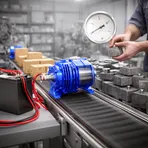
A motor that runs on direct current and keeps a steady speed when load changes
- Specialized
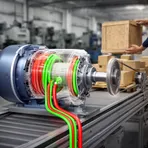
A direct current motor whose parts are connected in parallel to keep a steady speed when the load changes
How Moved
147
3.7

- Jargon
1
7.2
Surface Forms
Etymology
Shunt began as an old English word meaning 'to turn aside' or 'push to the side', so in railways to shunt a train is to move it onto a side track to let other trains pass.