
eglantine


 1
9.9
1
9.9
- noun
- /ˈɛɡləntaɪn/
- Archaic
- White hawthorn, and the pastoral eglantine Fast fading violets covered up in leaves
- eglantine rose
Examples
-
EGLANTINE.
-
I know a bank where the wild thy me blows, where oxlips and the nodding violet grows, quite over canopied with the luscious woodbine, with sweet musk-roses and with eglantine.
-
A MISS EGLANTINE PRICE, A CHARMING YOUNG WOMAN OF MY ACQUAINTANCE.
-
EGLANTINE.
-
I know a bank where the wild thyme blows, where oxlips and the nodding Violet grows, quite over-canopied with luscious woodbine, with sweet musk-roses and with eglantine:
-
A number of dramas faced this outcome, including Lady Eglantine Wallace's The Ton; or Follies of Fashion (1788), which similarly targeted aristocratic dissipation and survived for only three performances.
Academic text (2016) -
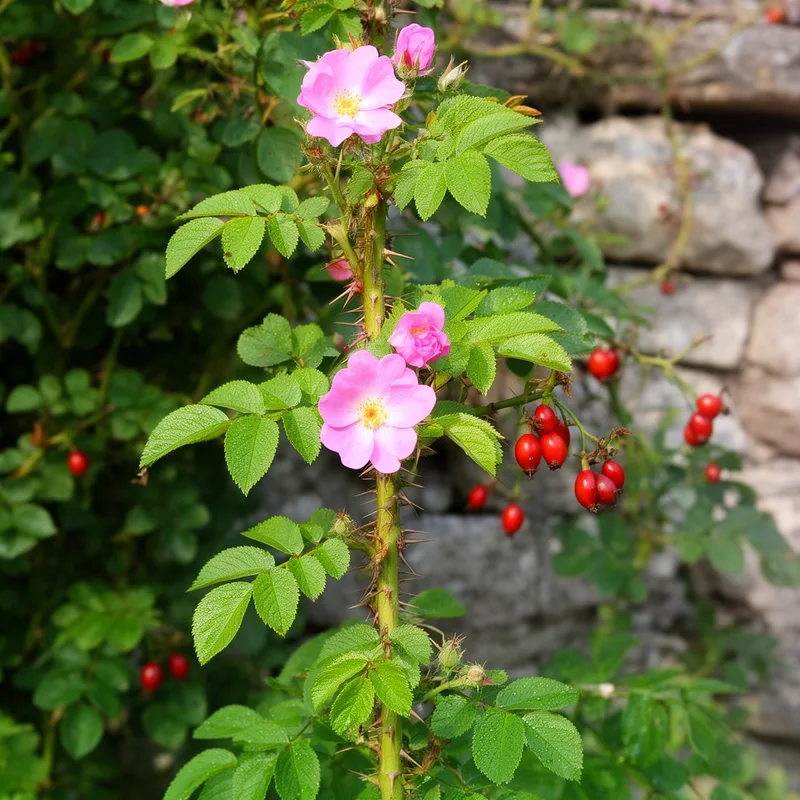
The eglantine has beautiful bright pink flowers that attract many pollinators.
-
In spring, the eglantine bushes are covered with fragrant pink blossoms.
-
Eglantine is often admired for its lovely scent and vibrant scarlet hips.
Synonyms
 1
9.5
1
9.5
A wild rose with prickly stems, sweet-smelling leaves, pink flowers, and red hips

A wild rose with prickly stems, sweet-smelling leaves, bright pink flowers, and red fruit
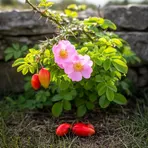
A wild rose with prickly stems, sweet-smelling leaves, pink flowers, and red fruit
Surface Forms
Etymology
Eglantine comes from an old French name for the sweetbriar rose, a wild plant known for its 'sweet-smelling' leaves and sharp thorns. Think of the simpler word briar, which means a 'thorny bush', and that helps explain why eglantine refers to a fragrant, prickly wild rose.