
dysplasia
 4
9.4
4
9.4

- noun
- /dɪsˈpleɪʒə/
- Specialized
- In addition, there was evidence of kidney maldevelopment (renal dysplasia) in most of the boys (Figure 2).
- fibrous dysplasia
- hip dysplasia
- developmental dysplasia
Loading YouTube…
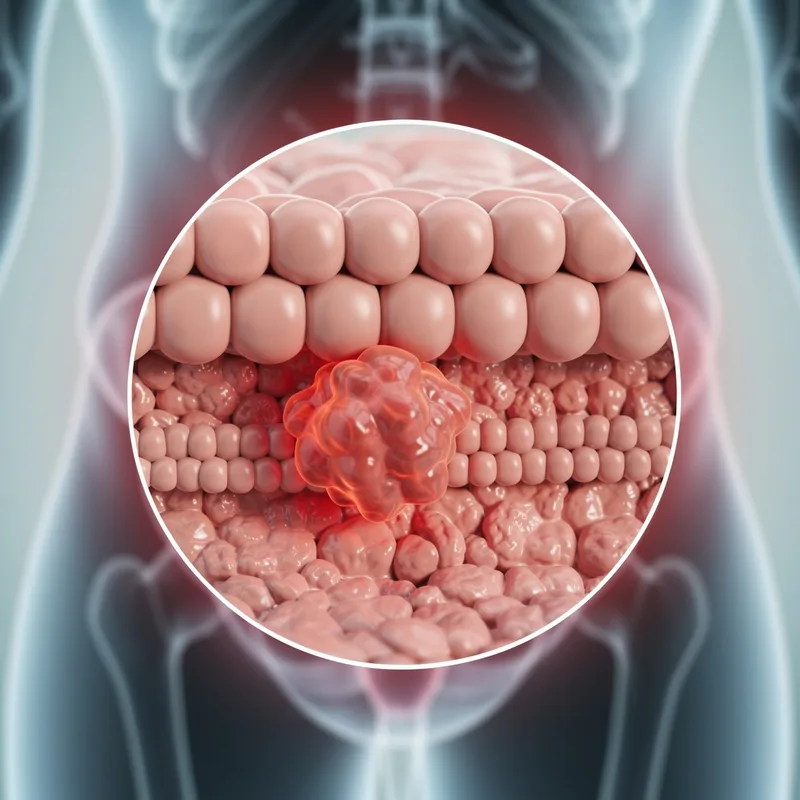
Watch on YouTubeSo a classic example is a colon polyp or a dysplasia that is an abnormal cell development.
- So a classic example is a colon polyp or a dysplasia that is an abnormal cell development.
- And as Doctor Abramovich was saying, you know, there's a new bronchopulmonary dysplasia.
- Due to this yeast infection and hip dysplasia, yeast infection might take over.
- She has rods in her spine, club foot, hip dysplasia.
- She has hips, dysplasia, rotating patellas, luxating patellas.
Examples
-
Overtreatment of fibrous dysplasia should be avoided because most patients respond to conservative management.
Academic text (2006) -
We also discuss selected complications of fibrous dysplasia of the temporal bone and their management.
Academic text (2008) -
- I have a hip dysplasia, and...
-
With craniodiaphyseal dysplasia... at four years of age...
-
We discuss these and other complications of fibrous dysplasia of the temporal bone and their management.
Academic text (2008) -
The patient presented with genital dysplasia and gonadal dysgenesis.
Academic text (2018) -
Two of the most common orthopedic complications of pediatric SCI are scoliosis and hip dysplasia.
Academic text (2004) -
The biopsy showed that she had moderate dysplasia, indicating abnormal cell growth that requires monitoring.
-
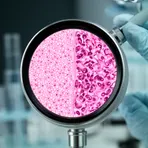
Doctors diagnosed him with dysplasia after examining the abnormal structure of his cells under a microscope.
-
The research focused on different types of dysplasia, particularly those affecting bone development in children.
Synonyms
 35
4.9
35
4.9
A part of the body that does not develop normally and may need treatment
 7
6.7
7
6.7
A body part that forms in a wrong way before birth, for example the heart or spine

 1
9.9
1
9.9
An abnormal change in cells seen under a microscope that makes them look different from normal

Abnormal growth of a body part that often happens before birth

Abnormal development of a body part, sometimes causing hybrids to be unable to have young
Compounds
- Specialized
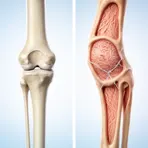
A bone condition where normal bone is replaced by soft tissue, making bones weak
- Specialized
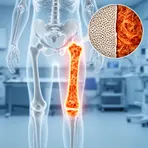
A bone condition where fibrous tissue grows abnormally in one bone
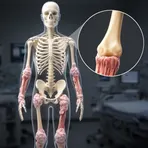
- Specialized
A bone condition that affects many bones and replaces bone with soft scar tissue
How Abnormal
- Specialized
5
8.0

- Specialized
1
7.4
- Specialized
4
9.4
- Specialized
Surface Forms
Morphology
dysplasia = plasia (opaque) = dys + plasia
Formed from Greek combining elements dys- ('abnormal') + -plasia ('formation'), which are specialized medical combining forms not transparent to an average B1 learner.
Etymology
The word dysplasia comes from Greek parts dys- 'bad' and -plasia 'formation'. Think of plastic, which comes from the same root and means 'shaped', so dysplasia means 'bad' or abnormal shaping or growth of cells, which is why doctors use it for unusual tissue development.