

dwarf elder
- noun
- /dwɔrf ˈɛldər/
- UK
- Many herbalists use dwarf elder for its medicinal properties.
Examples
-
The berries of the dwarf elder can turn a deep, striking black by late summer.
-
The dwarf elder has beautiful white flowers in spring.
-
Some herbalists use dwarf elder bark in traditional medicine.
-
We spotted a stand of dwarf elder growing wild at the forest edge.
-
Some herbalists use the bark of dwarf elder in traditional medicine.
-
The leaves of the dwarf elder plant are known for their strong aroma.
-
We spotted a patch of dwarf elder growing wild near the riverbank.
Synonyms
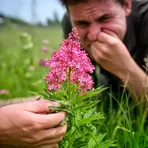
A small European plant with pink flowers and a bad smell

A small European bush with pink flowers and a strong bad smell
How Big
 16
2.7
16
2.7

 44
1.0
44
1.0
- UK
- Specialized

 1
4.5
1
4.5
- Specialized
1
4.7
46
1.0
Surface Forms
Morphology
The meaning 'a small elder plant' is directly and compositionally derived from 'dwarf' (small) modifying 'elder' (a Sambucus shrub). This modifier+noun pattern is transparent and cross-linguistically common, so a B1 learner who knows both constituent words would readily infer the MWE's meaning.
Etymology
Dwarf elder combines dwarf (meaning very small) and elder (the elder plant). It names a low-growing plant that looks like a small elder with dark berries and a strong smell, and people have long used it as medicine, so the name gives a clear picture of the plant.