

dryland blueberry
- noun
- /ˈdraɪˌlænd ˈbluːbɛri/
- US
- The dryland blueberry thrives in sandy, well-drained soils in the eastern United States.
Examples
-
During our hike, we spotted several bushes covered in ripe dryland blueberries.
-
I love picking dryland blueberries in the summer.
-
Birds are often attracted to the sweet fruit of the dryland blueberry.
-
The dryland blueberry is native to eastern North America.
-
During our hike, we spotted several bushes covered in ripe dryland blueberries.
-
Birds are often attracted to the sweet fruit of the dryland blueberry.
-
I love picking dryland blueberries in the summer.
Synonyms

 10
1.0
10
1.0

A plant that makes small blue berries you can eat
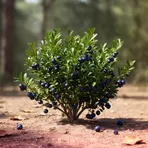
A low bush that has dark blue sweet berries
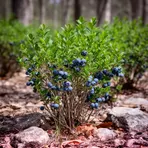
A low bush that loses its leaves and has dark blue sweet berries like small wild blueberries

A small low shrub with sweet dark blue berries

A low bush in northeastern North America that makes small sweet dark blue berries

A low bush in northeastern forests that makes small sweet dark blue berries

A low-growing shrub that has sweet dark blue berries in small groups
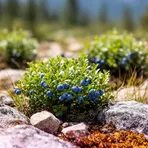
A low bush that has small sweet blue berries
Surface Forms
Morphology
The noun is compositionally transparent: 'dryland' specifies the habitat (dry, non-irrigated areas) and 'blueberry' names the plant/fruit, so the phrase straightforwardly denotes a blueberry that grows on dry land. This modifier+noun pattern is a common, predictable English construction and would be understandable to a B1 learner who knows both constituent words.
Etymology
Dryland blueberry is a literal name: dryland + blueberry paints the picture of a blueberry that grows on dry, sandy ground instead of in wet bogs. So the name helps you remember it is a 'small bush' that makes 'dark, sweet berries' and prefers dry soil.