
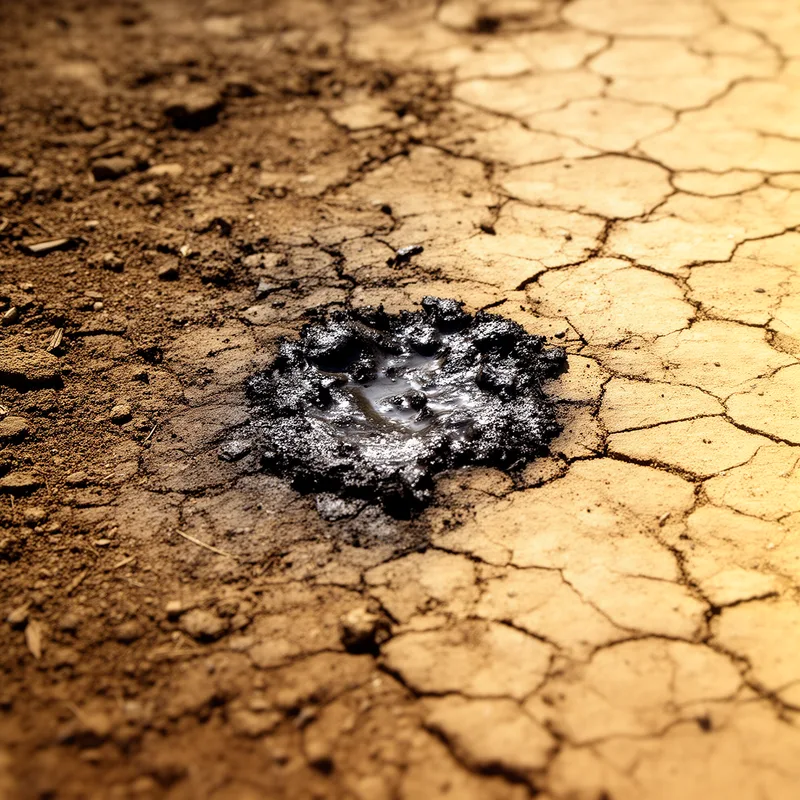
to dry out
 11
2.4
11
2.4

- phrasal verb
- /draɪ aʊt/
 :
secar(se)
:
secar(se)
- After the heavy rain, we left the towels to dry out in the sun.
- let it dry out
- dry out the skin
- dry out quickly
It's like, it's like the oranges that people dry out on the radiators.
- It's like, it's like the oranges that people dry out on the radiators.
- But once those pods dry out, you're left with this.
- You know, do I have lots of wind that will dry out the soil?
- They're going to love that sun, but if they dry out, they're going to die extremely fast.
- So this one will stay put really nicely without drying out my lips.
- So the Everglades are drying out because of the restricted water flow.
Examples
-
Also, let the root ball dry out all the way and saturate it every time you water.
Blog text (7) -
We went back up to the hotel to dry out and warm up.
Blog text (31) -
So, why, do they dry out or something if you leave the box open?
-
We needed to warm up, if not dry out completely.
Fiction book (2002) -
We have to give it a chance to dry out.
Fiction book (1990) -
Glass Inc. keeps the doors open and fans running to dry out the office on Tuesday.
Blog text (13) -
And also because flights can really dry out your skin.
-
For some reason, the product kept drying out on the brush while I was working with it.
-
If you leave the lid off, however, it will dry out and prevent mold from growing on it.
Blog text (13) -
They have a tendency to dry out over a period of years.
Synonyms
 570
1.0
570
1.0
To become free of water or wetness
 19
2.7
19
2.7
To lose all water or moisture so it has none left
 12
9.0
12
9.0
To dry something so it does not go bad
 7
3.7
7
3.7
To stop having any water, like a river or well
 5
4.1
5
4.1
To lose too much water and become very dry


 1
7.0
1
7.0
Make something very dry from heat or sun

To remove all water from something so it stays dry

To dry a liquid by making a fine spray that becomes powder when hot air hits it
How Dry

Surface Forms
Morphology
The meaning 'to become dry / make something dry' is directly derivable from combining 'dry' (remove moisture) with the particle 'out', which here signals completion or extent (fully dry). This resultative/compositional pattern is common in English and across languages, so a B1 learner who knows both words can readily infer the MWE's meaning.
Etymology
The phrasal verb dry out comes from the simple image of wet things losing water as the damp moves out of them and the item becomes dry. So, dry out means 'to become dry' or 'to make something dry'.