

to run dry
 7
3.7
7
3.7

- phrasal verb
- /rʌn draɪ/
- The well has finally run dry, so yeah, there's just a little dribble left in there now.
- well ran dry
- river ran dry
- aquifer runs dry
Loading YouTube…
Watch on YouTubeBeneath the desert sky, rivers run but soon run dry.
- Beneath the desert sky, rivers run but soon run dry.
- And yeah, so but I, I just, I, I ran my tank ran dry.
Examples
-
The Pena's irrigation canals ran dry and the land died.
-
- Well, unfortunately, the well ran dry, and what are you gonna do?
-
Did the well run dry?
-
- The spring inside the wall could be running dry.
-
One day that well will run dry...
Blog text (3) -
The well's gonna run dry.
-
Water is life, and the wells are running dry.
Blog text (11) -
The real problem is that the well has run dry, and new versions of Windows won't fix this.
Blog text (27) -
You see, the streams would run dry in the summer and take away waterfront for well-heeled residents.
Blog text (7) -
The river will run dry if there is no rain for several months.
Synonyms
 570
1.0
570
1.0
To become free of water or wetness
 28
1.3
28
1.3
Water or other liquid flows out of a container by accident
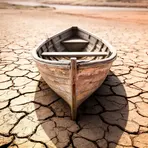 19
2.7
19
2.7
To lose all water or moisture so it has none left
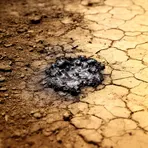 11
2.4
11
2.4
To become dry or make something no longer wet
Antonyms


How Much

Surface Forms
Morphology
The meaning 'to become empty/exhausted' is directly derivable from combining 'run' (to flow or move) with 'dry' (lacking liquid): something that 'runs dry' ceases to have liquid. This follows a common English compositional pattern (compare 'run out', 'run empty') and has clear parallels in other languages, so a B1 learner who knows the constituents will likely infer the meaning.
Etymology
Run dry comes from the simple image of water that runs away until a well or river is dry and has no more water. That's why it means 'to become empty of water'.