

to parch


 1
7.0
1
7.0
- verb
- /pɑrtʃt/
- Midsummer weather, for instance, rapidly parches the surface of a leaf fluttering in the warm breeze, and with frequent thunderstorms come torrents of rain that easily wash spores out of the canopy.
- parching droughts
- parched throat
- parching sun
Examples
-
It's perfect for things like Ziploc bags, cling film, tinfoil, parch from paper.
-
Well, he can sit out in the sun and parch for all I care!
-
Lon, you take that water bag so you won't parch.
-
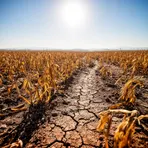
Even in those days, the sun used to parch Oklahoma and Kansas, and the rains were fickle.
Fiction book (1990) -
He spent the day there, just dying from the heat, parching from the heat, thirsting from the heat.
Fiction book (1996) -
It matters not how many ranges, rivers, or parching dusty ways may lie between you; it is now yours forever.
Academic text (2007) -
When the apocalypse parches our rivers and exhumes our zombies, will design matter?
Blog text (17) -
The endless why's and what's and greedy thirst for verbal exchange until the throat parches and the voice box flags in exhaustion.
Fiction book (2001) -
The intense sun can quickly parch the plants if they are not watered.
-
Prolonged exposure to the heat will parch your skin, making it feel dry and tight.
Synonyms
 570
1.0
570
1.0
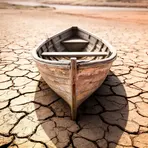
To become free of water or wetness
 76
6.1
76
6.1
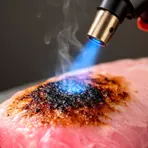
To burn something quickly with very strong heat until it turns brown or black
 19
2.7
19
2.7
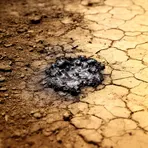
To lose all water or moisture so it has none left
 12
9.0
12
9.0
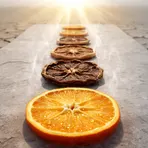
To dry something so it does not go bad
 11
2.4
11
2.4
To become dry or make something no longer wet
 5
4.1
5
4.1
To lose too much water and become very dry
 1
4.4
1
4.4
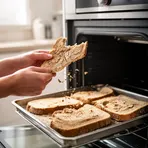
To keep food for a long time by freezing it and then removing its water
 1
5.4
1
5.4
To make something too dry by removing too much water

To remove all water from something so it stays dry
Antonyms

Phrasal Verbs
How Dry

Surface Forms
Etymology
Parch comes from an old French word meaning 'to dry'. A helpful image is the hot sun 'parching' the land until it looks like dry leather or parchment, so to parch something is to make it very dry.