

double decomposition
- noun
- /ˈdʌbəl ˌdiːˌkɒmpəˈziːʃən/
- Specialized
- A double decomposition reaction often results in the formation of a precipitate.
Examples
-
The reaction is a classic example of double decomposition.
-
Teachers use simple experiments to demonstrate double decomposition to chemistry students.
-
When you mix silver nitrate and sodium chloride, a double decomposition takes place and silver chloride is formed.
-
In chemistry, double decomposition occurs frequently.
-
In a double decomposition reaction, two compounds exchange ions to create new substances.
-
The laboratory experiment demonstrated double decomposition as the two reactants formed entirely new compounds.
-
Double decomposition occurs when compounds like sodium sulfate and barium chloride react to produce barium sulfate and sodium chloride.
Synonyms
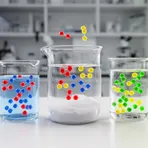
Two compounds swap parts to make two new compounds

A chemical change where two compounds exchange parts to make two new compounds

Two compounds swap ions to make two new compounds
Surface Forms
Morphology
Although 'double' suggests two and 'decomposition' suggests breaking down, the technical sense of 'double decomposition' refers to an exchange or metathesis between two compounds rather than a twofold breakdown. A B1 learner who knows the constituents would likely infer 'twofold breaking apart' and not the specialized swapping-of-parts meaning, so the overall meaning is not derivable from the parts.
Etymology
Double decomposition gets its name from a simple image: double means 'two' and decomposition means 'breaking into parts', so imagine two couples who split and swap partners. That's why the term describes two chemical compounds that break into parts and exchange pieces to form two new compounds.

