

to do an about-face
 3
6.6
3
6.6

- phrasal verb
- Informal
- For a moment, Susan's correction didn't sink in; then Lex did an about-face.
- has done an about-face and decided
- have done an about-face recently
- Now done an about-face
Examples
-
If teachers lead the way, perhaps researchers, parents, students, administrators, and society in general will do an about-face and begin to recognize the tremendous contributions that teachers make.
Academic text (1990) -
Initially opposed to the plan, the committee did an about-face and unanimously supported the new proposal.
-
We do an about-face, bring the guys right home.
-
It was around World War II that American food culture did an about-face.
Blog text (22) -
Richard Nixon was elected in November and did an about-face on many of the Great Society initiatives of his predecessor.
Academic text (1999) -
And not until Gov. Lynch made his executive decision to put human health first did Maggie do an about-face.
Blog text (32) -
It needs to do an about-face before the bills come due, or there will be hell to pay.
Blog text (33) -
The government did an about-face and reversed its policy on immigration after public outcry.
-
After facing heavy criticism, the CEO did an about-face and announced new measures to improve workplace safety.
Synonyms
 811
2.6
811
2.6
Decide to think or act differently from before
 81
4.1
81
4.1
To change your mind and accept something you first refused
 23
5.3
23
5.3
To suddenly change your opinion or decision
 12
5.5
12
5.5
To change a decision or plan and go in a different direction
 10
6.5
10
6.5
To try to change a previous statement or position to avoid criticism
 8
7.3
8
7.3
Change a plan or policy quickly to follow a different idea
 4
6.8
4
6.8
To completely change your opinion or decision
 3
6.7
3
6.7
To change your opinion or position completely and suddenly
 1
5.1
1
5.1
To try a different way to deal with a problem
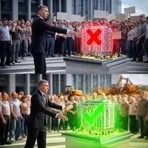
Change a plan or decision so the opposite happens
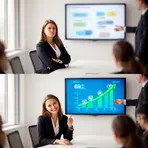
To have a different opinion after seeing new facts or benefits
Antonyms


How Reversed
- Informal
3
6.6
 41
3.7
811
2.6
227
3.7
4
4.2
41
3.7
811
2.6
227
3.7
4
4.2
Surface Forms
Morphology
do + an + about-face
The core image ('about' + 'face') evokes a physical turn to face the opposite direction, and 'do' simply performs that action, so the metaphorical sense of reversing position or opinion is partially inferable from the constituents. However, the leap from a literal physical turn to the idiomatic meaning 'suddenly change one's opinion or policy' requires a metaphorical mapping that may not be fully predictable for a B1 learner without prior exposure, so it is not fully transparent.
Etymology
Do an about-face comes from the military order about-face, where soldiers turn quickly to face the other way in a 180-degree movement. That's why it now means 'to suddenly change one's opinion or action'.