
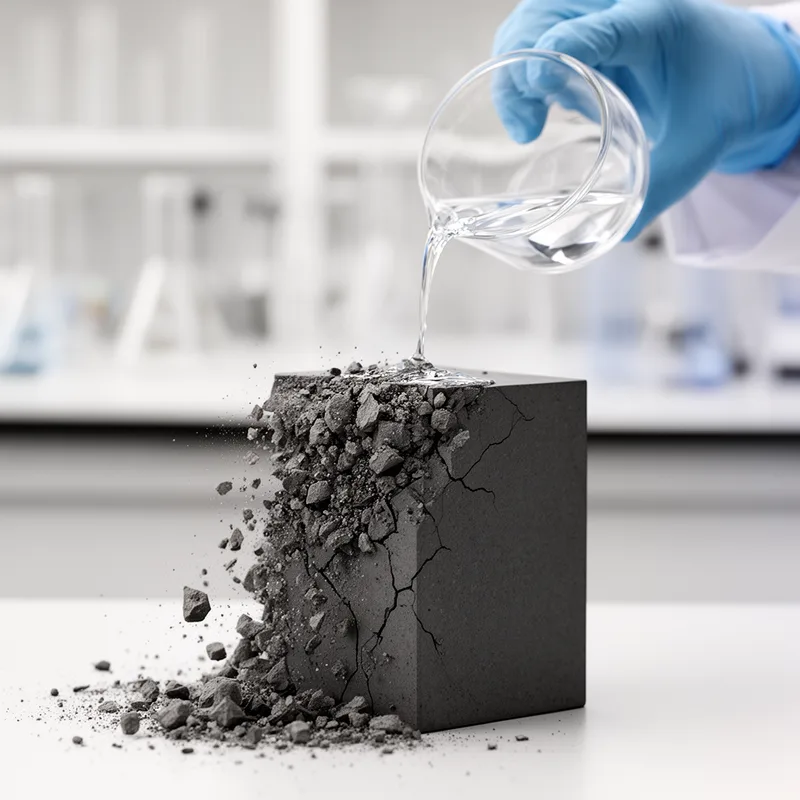
disintegrative


 1
8.7
1
8.7
- adjective
- /dɪsˈɪntɪɡreɪtɪv/
 :
desintegrativo
:
desintegrativo
- The therapist explained how traumatic experiences can create disintegrative patterns in a person's mental health, making it difficult for them to function.
- disintegrative disorder
- disintegrative effect
- childhood disintegrative
Examples
-
In fact, the play does associate radio with some aspects of the airplanes' disintegrative force.
Academic text (2016) -
Or we create new programs that, while they are superficially innovative, still follow the disintegrative idea that music is a phenomenon of categories.
Academic text (1992) -
There are indications that this process of politicization has had disintegrative effects on the syndicates' actions and internal cohesion.
Academic text (1995) -
Each war and subsequent peace advanced the disintegrative effects of Fleming and Walloon identity politics, accelerating a series of crises that led Belgium to its process of constitutional reform.
Academic text (2002) -
While for the company drinking and gambling were socially disintegrative, disruptive of disciplined work habits and the nuclear family, both activities helped to forge a collective form of identity shaped in opposition to company authority and programs of social control and cultural reform.
Academic text (1996) -
The use of harsh chemicals in agriculture can have disintegrative effects on the soil ecosystem, leading to a loss of biodiversity.
-
Excessive exposure to pollution often results in disintegrative impacts on urban infrastructures, causing buildings and roads to deteriorate faster.
Synonyms
 1
6.4
1
6.4
A thing that slowly wears something away by wind, water, or chemicals

Causing or relating to the breaking down of dead plants and animals into soil nutrients

Causing materials to break down into smaller parts

To cause something to end or break into parts
Antonyms


How Destructive

Surface Forms
Morphology
disintegrative = disintegrate (transparent) = dis + integrate + ive
The adjective is a straightforward formation from the verb 'disintegrate' with '-ive', meaning causing or tending toward disintegration.
Etymology
The word disintegrative begins with dis- ('apart') and uses the same root that means 'whole' as in integrity. So a disintegrative influence or effect makes a whole fall apart into pieces, which is why the word means causing breaking up or decomposition.